


Is this evening scene familiar?
The house is dark; it’s already past nine, yet the bright glow of your phone or laptop screen lights up your face. Your eyes are tired, but sleep won’t come. In the morning you feel heavy—again.
What seems harmless is actually one of the modern world’s invisible health thieves: artificial blue light. In this article I’ll explain what it is, why it’s harmful, and how you can protect yourself.
What exactly is artificial blue light?
Artificial blue light is the blue portion of the spectrum emitted by sources like smartphones, computers, tablets, and LED lamps.
It’s part of visible light that boosts daytime alertness and focus, but in the evening it turns against us.
In nature, light and darkness create a balance that synchronizes nearly all bodily functions, including sleep and the circadian rhythm. Artificial blue light disrupts this balance. When blue light tells your brain it’s the wrong time of day, sleep suffers and recovery weakens. Stress levels rise and health takes a hit.
Several studies suggest that nighttime artificial light—including blue light—is linked with cancer risk:
- An ecological study in an international research project shows that the amount of nighttime artificial light correlates statistically with overall cancer incidence, including lung, breast, colorectal, and prostate cancers.
- IARC (the WHO’s International Agency for Research on Cancer) classifies long-term night work and circadian rhythm disruption (chronodisruption) as a probable carcinogenic risk.
These signals are concerning, and the modern world seems to ignore the downsides of technology and convenience entirely.
Don’t wait until your health gives out—everyone can protect themselves from nighttime artificial blue light at home.
Here are some easy tips:
- Avoid smart devices for an hour (or even a couple) before bedtime.
- Use apps and settings that reduce blue light; I keep the red-filter setting on my iPhone after sunset.
- Cut down and switch off light sources you don’t need.
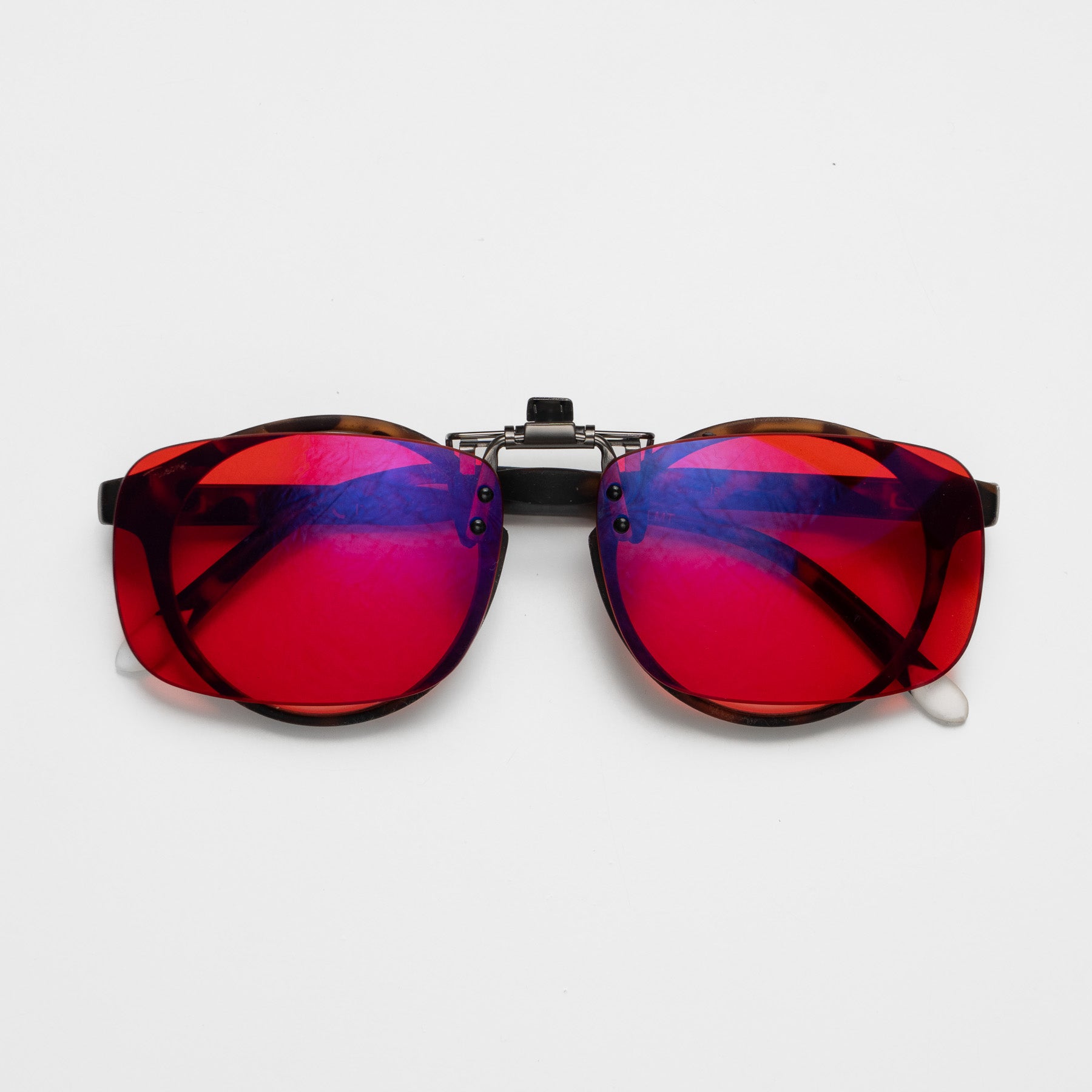
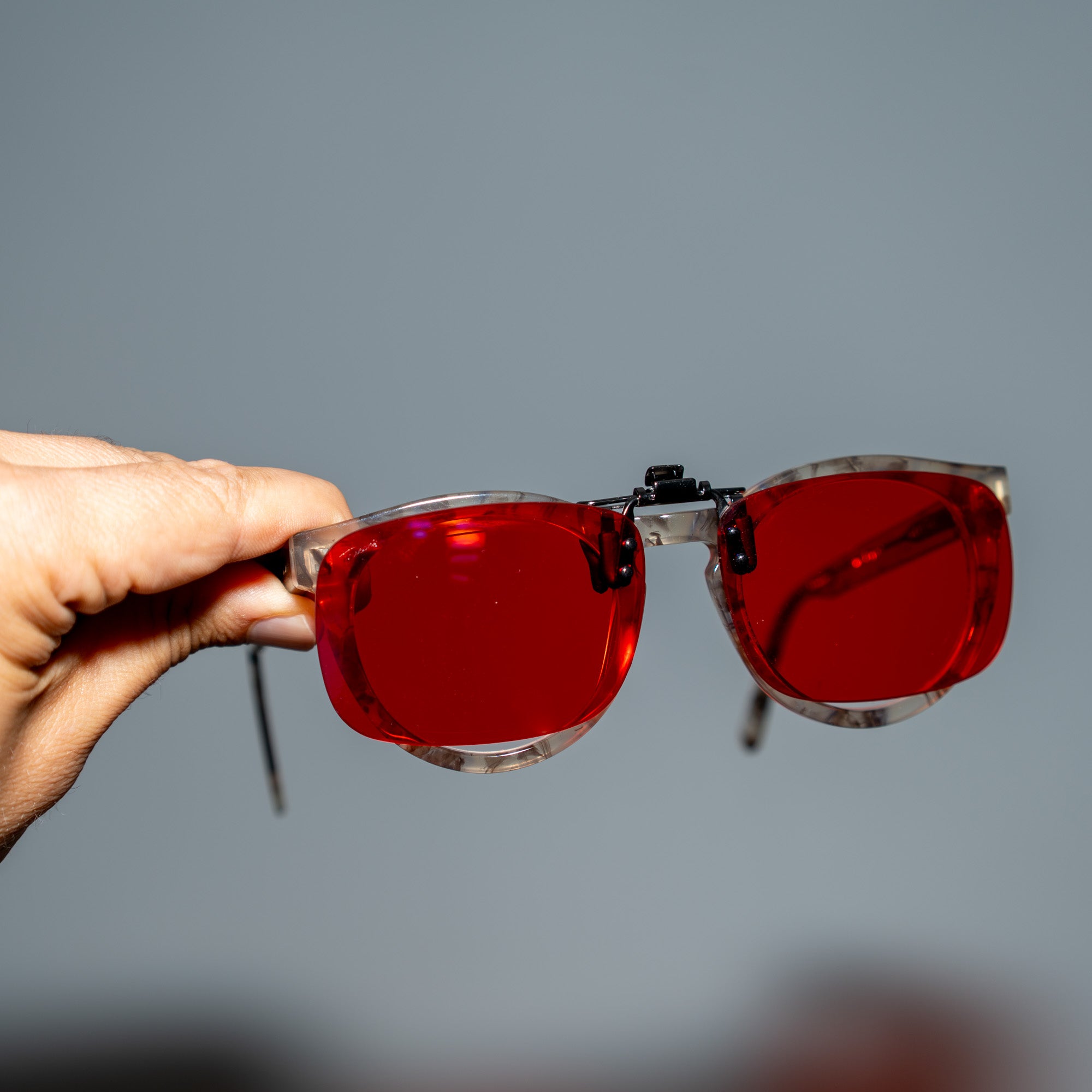
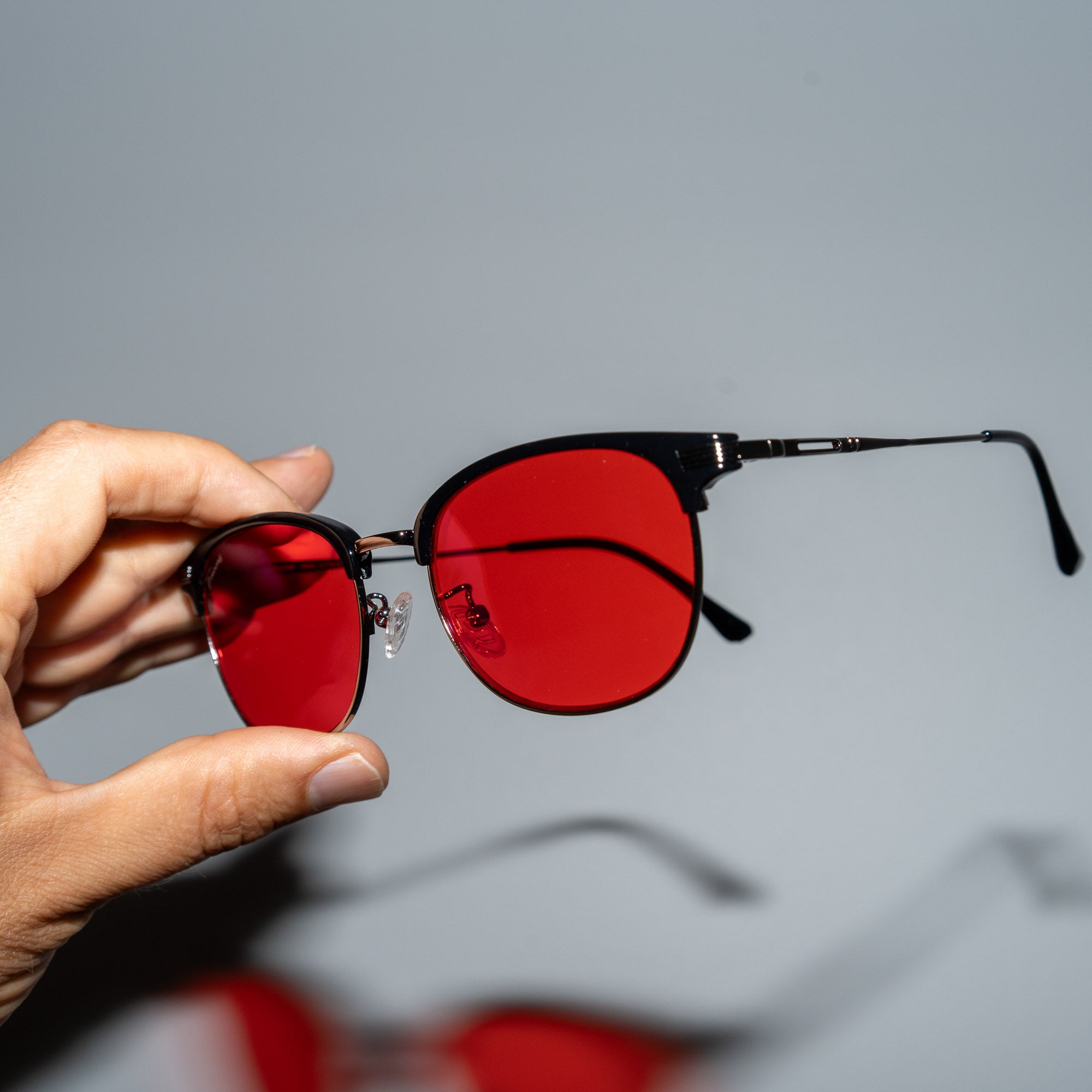
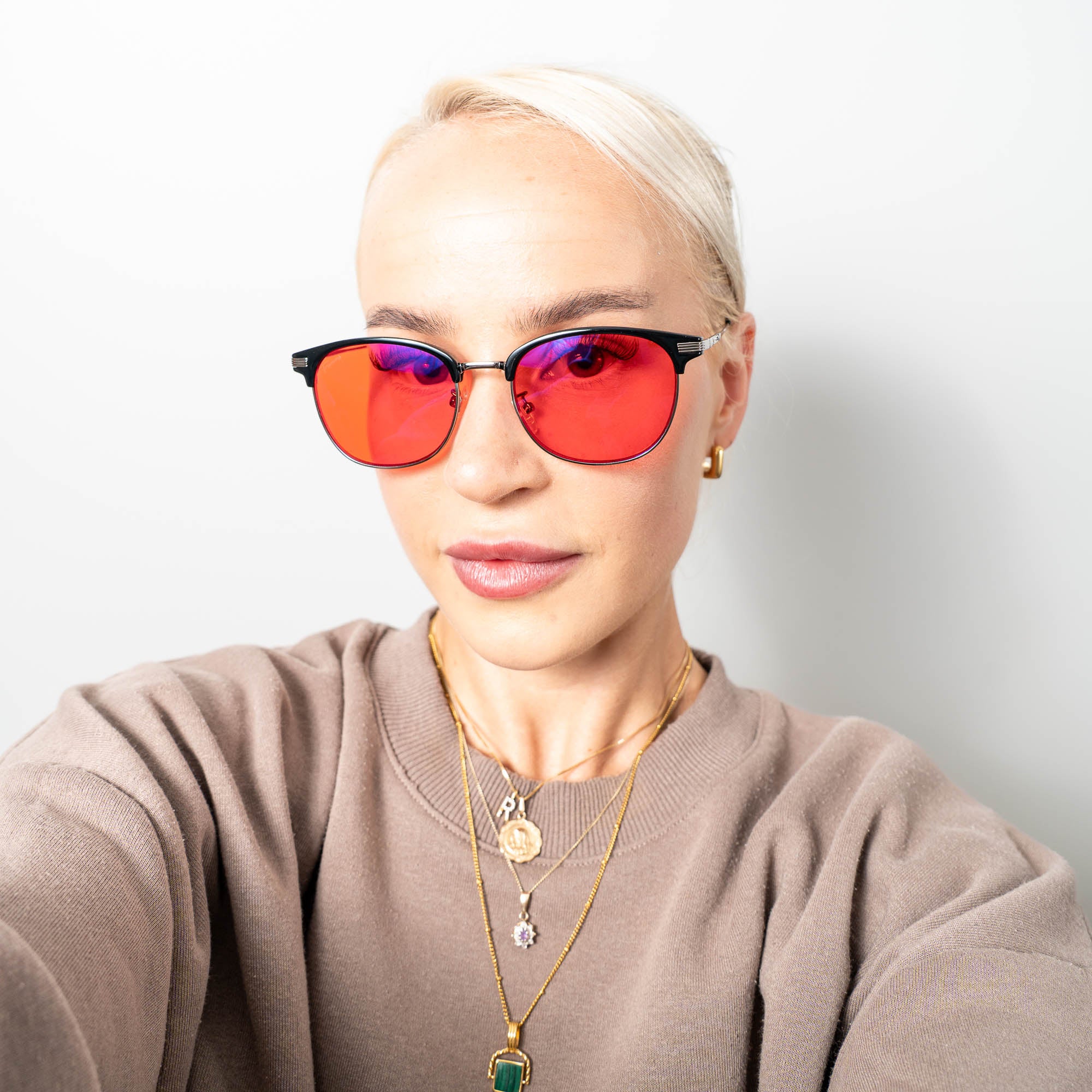
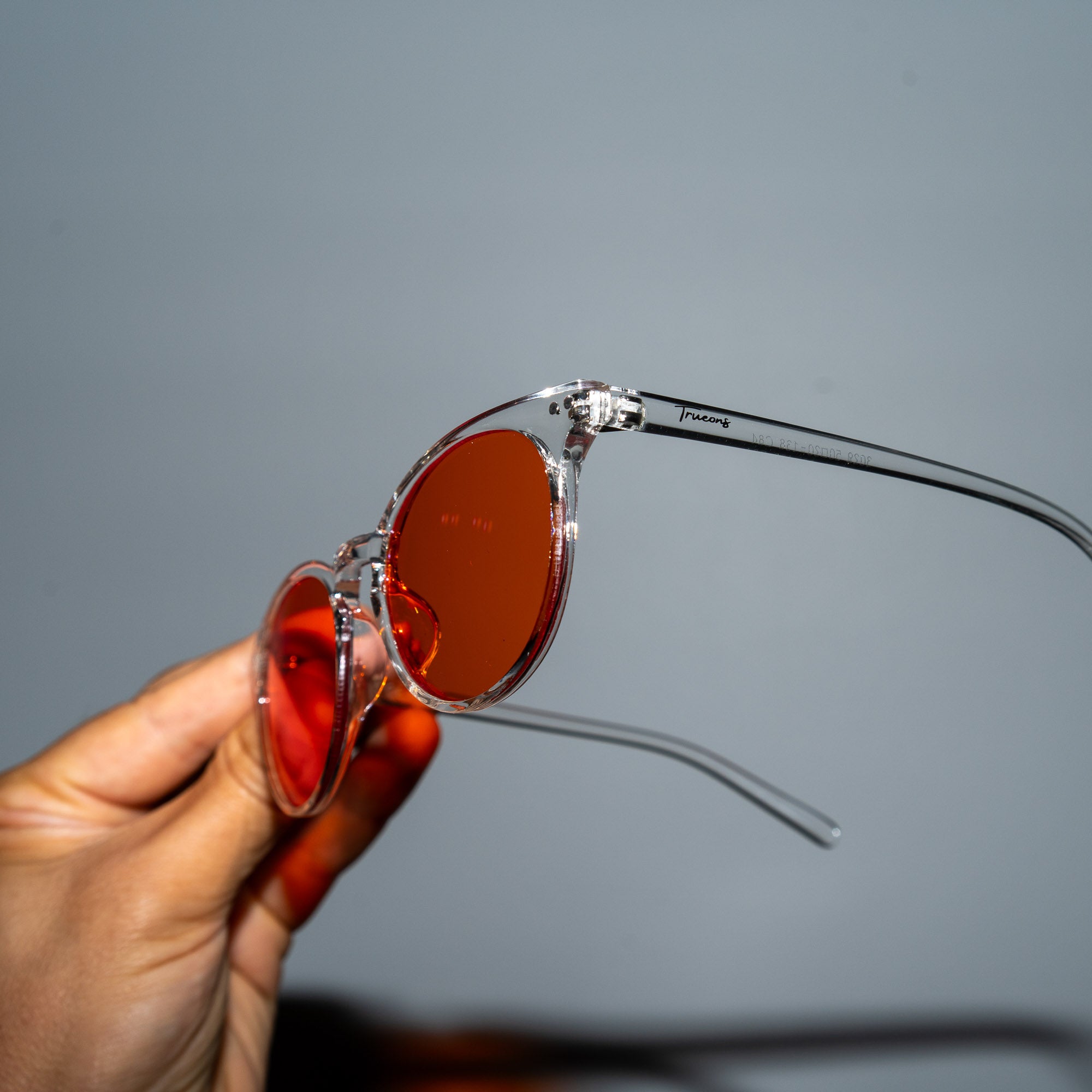
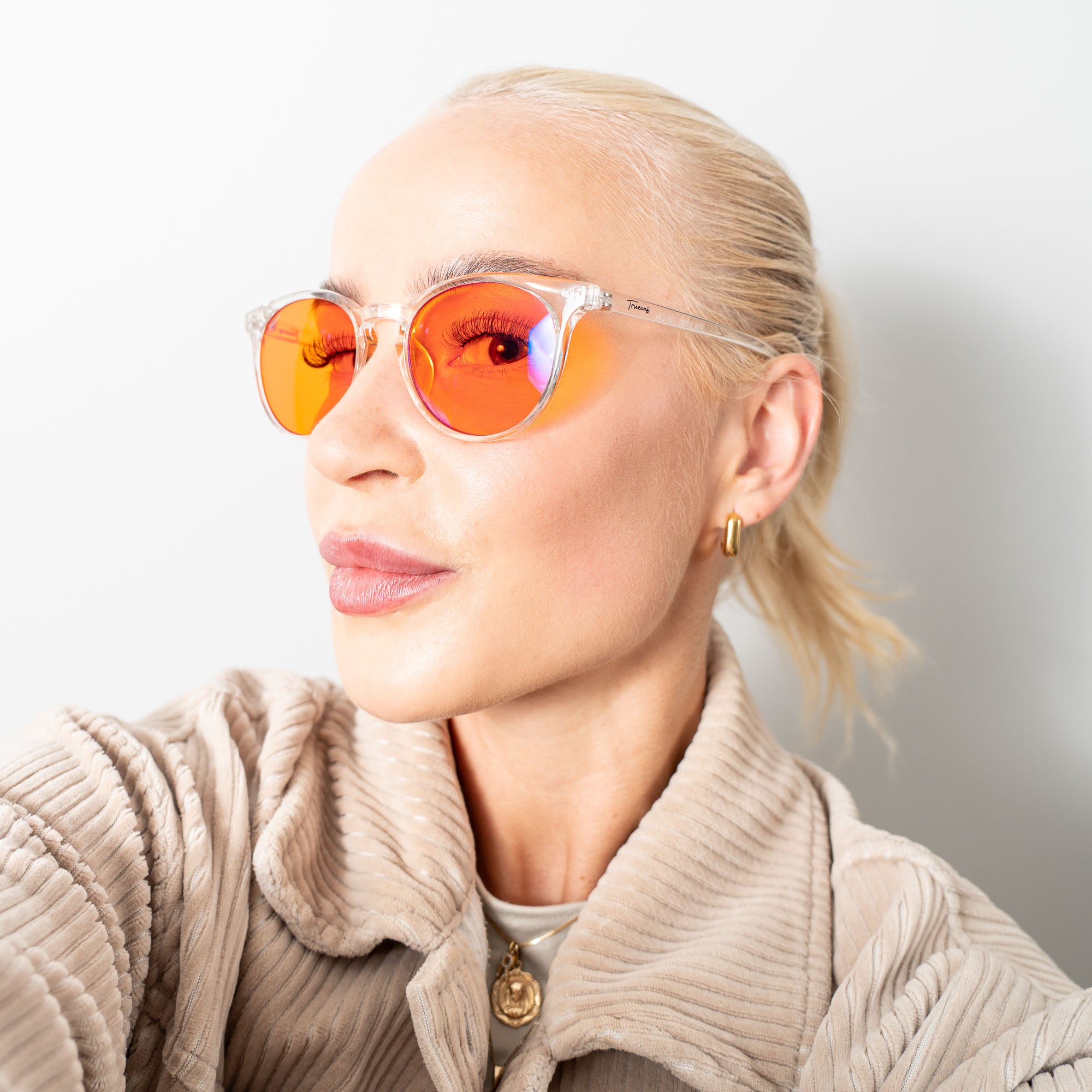
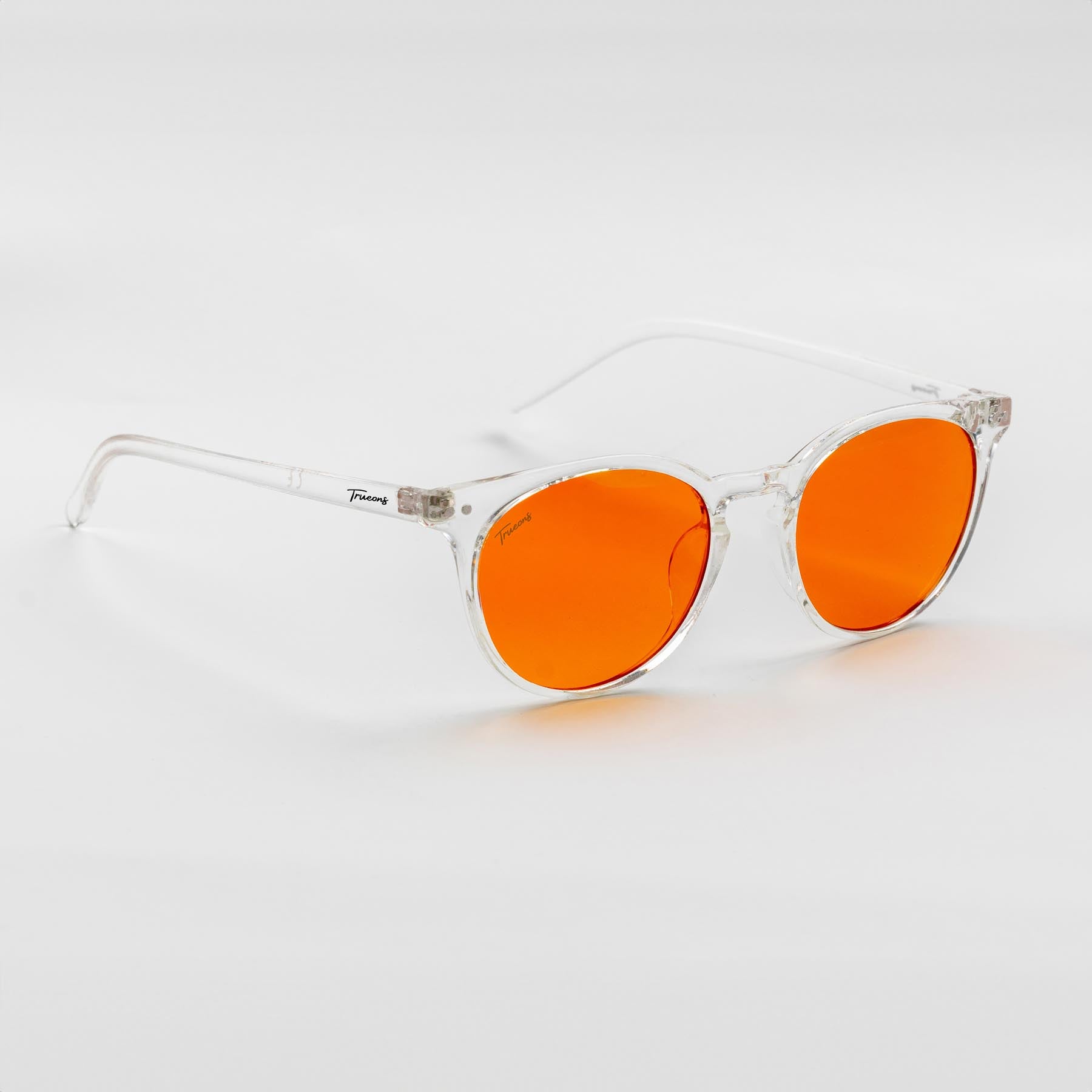
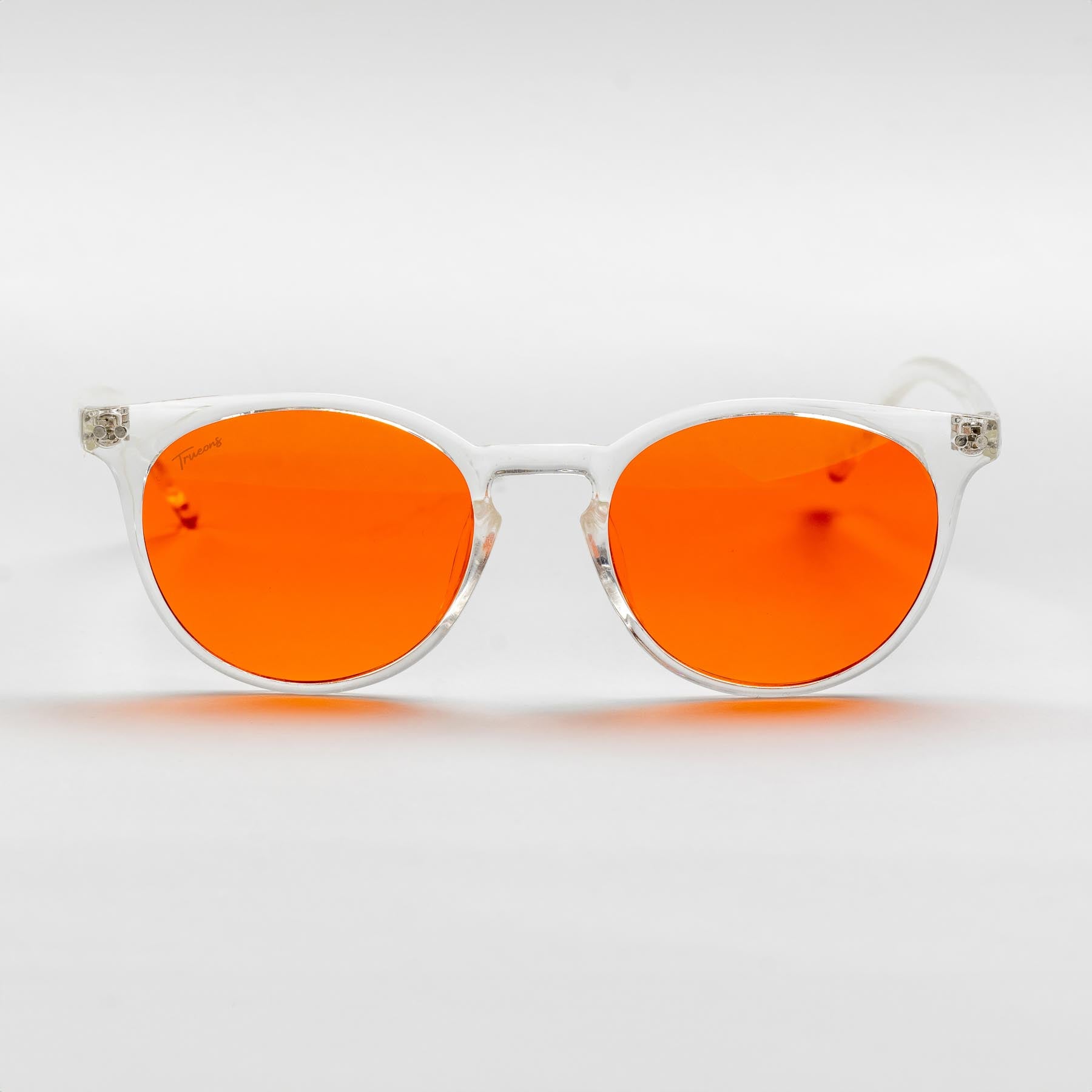
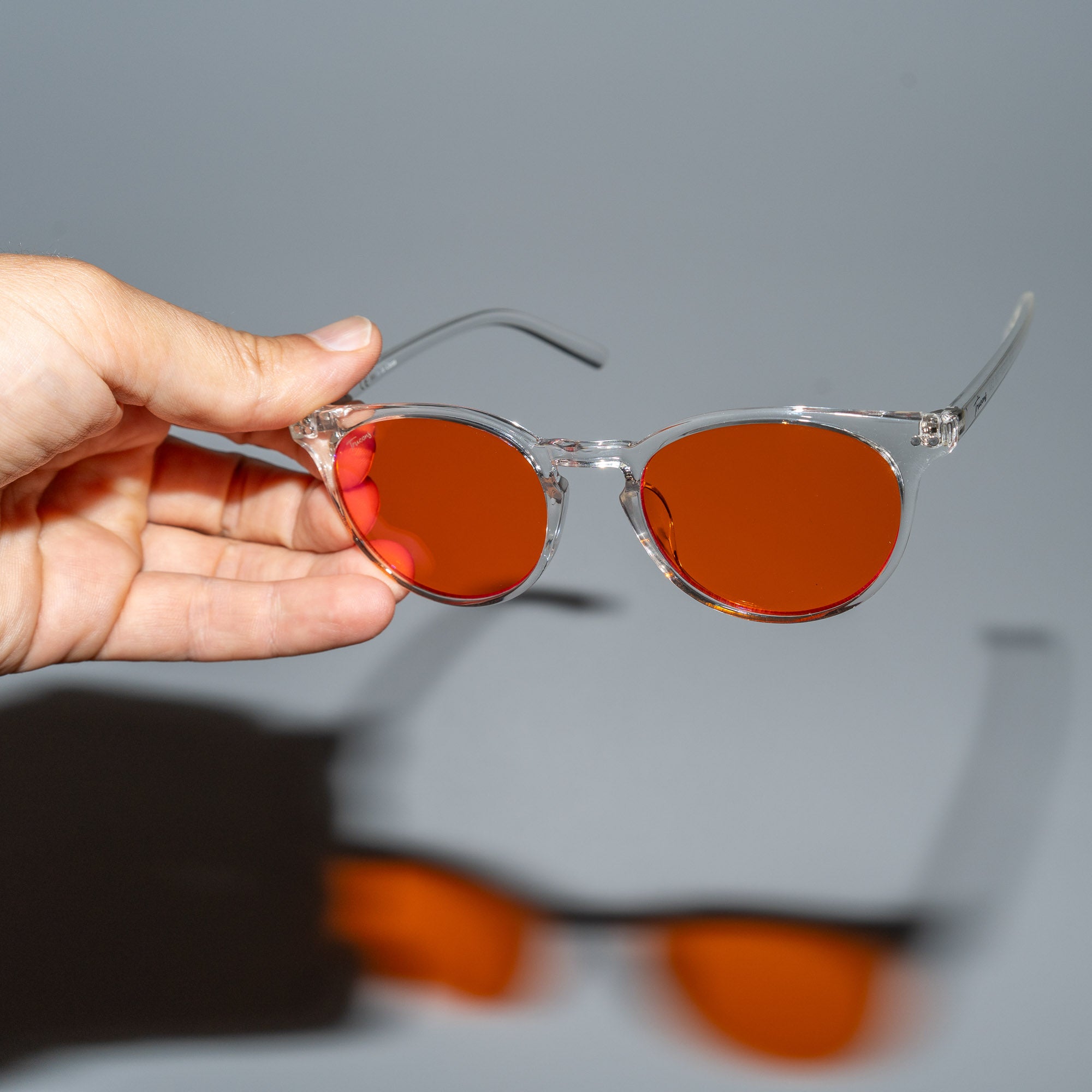
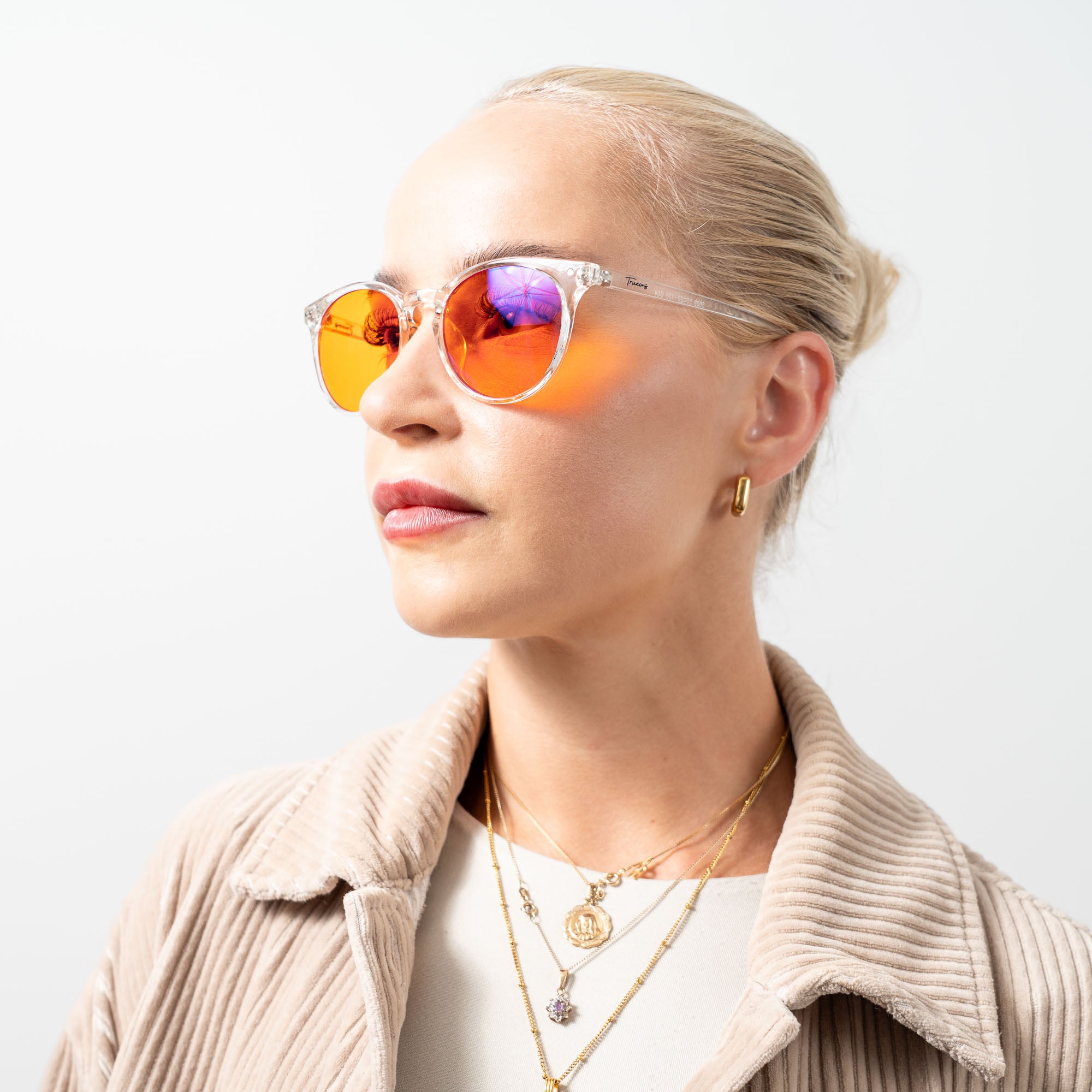
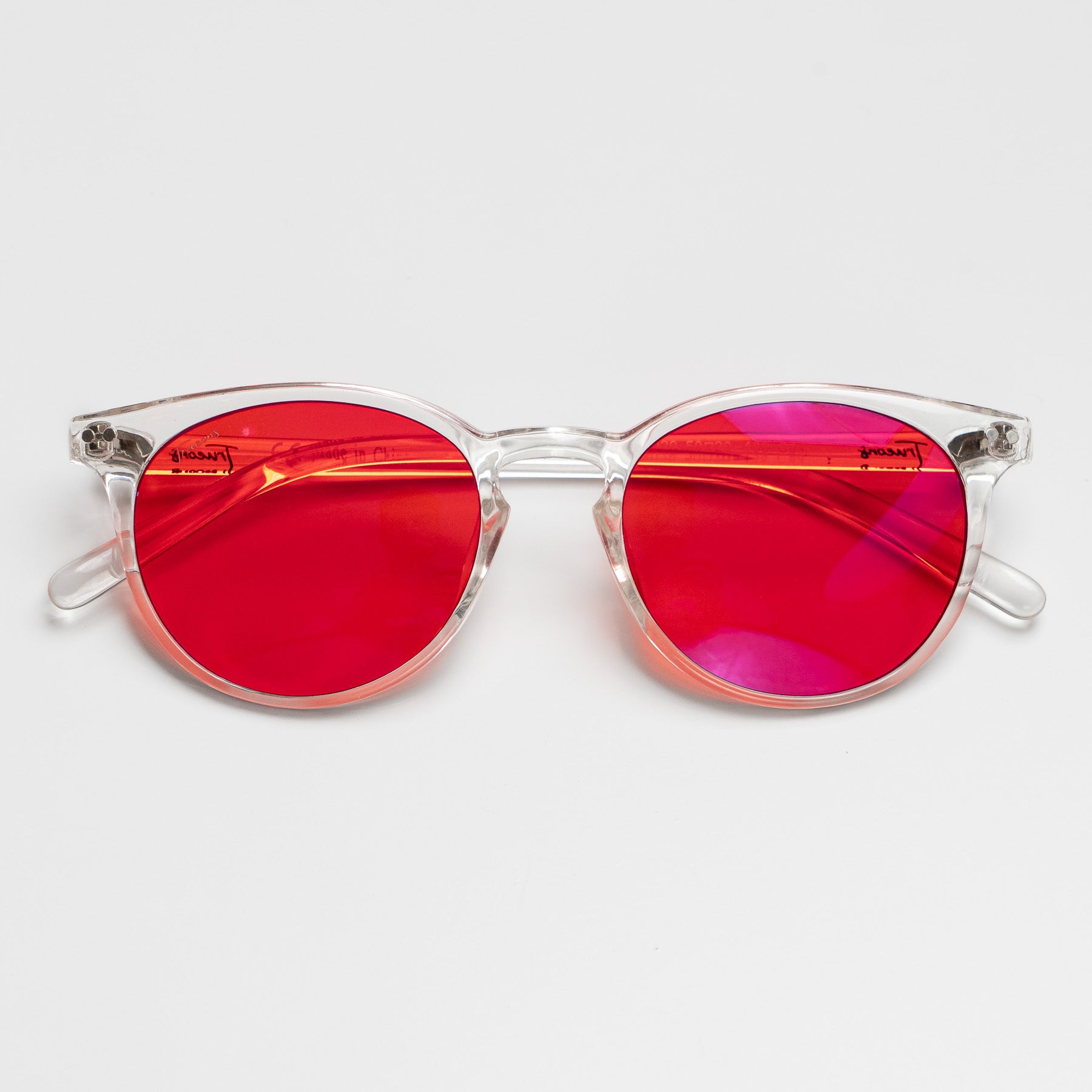
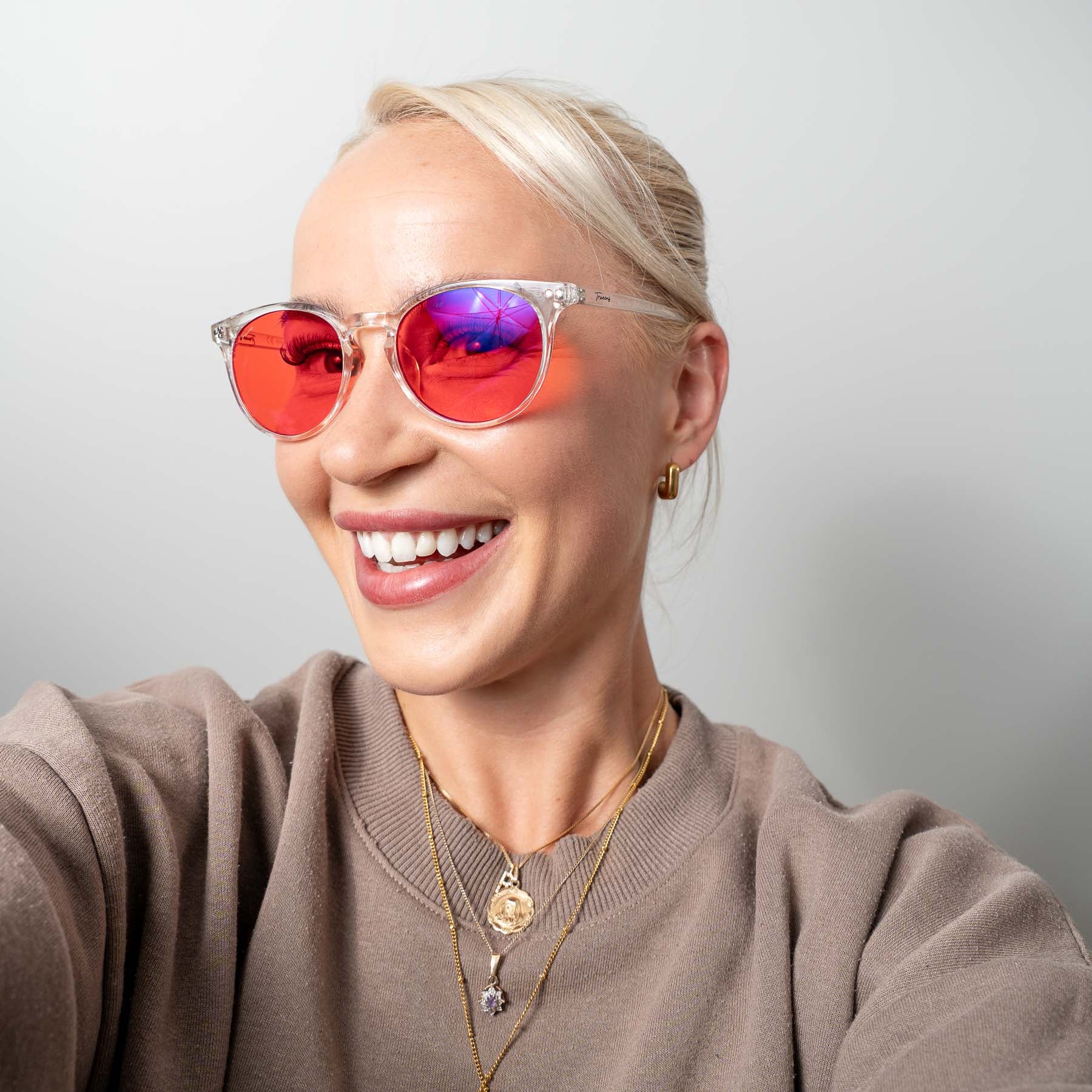
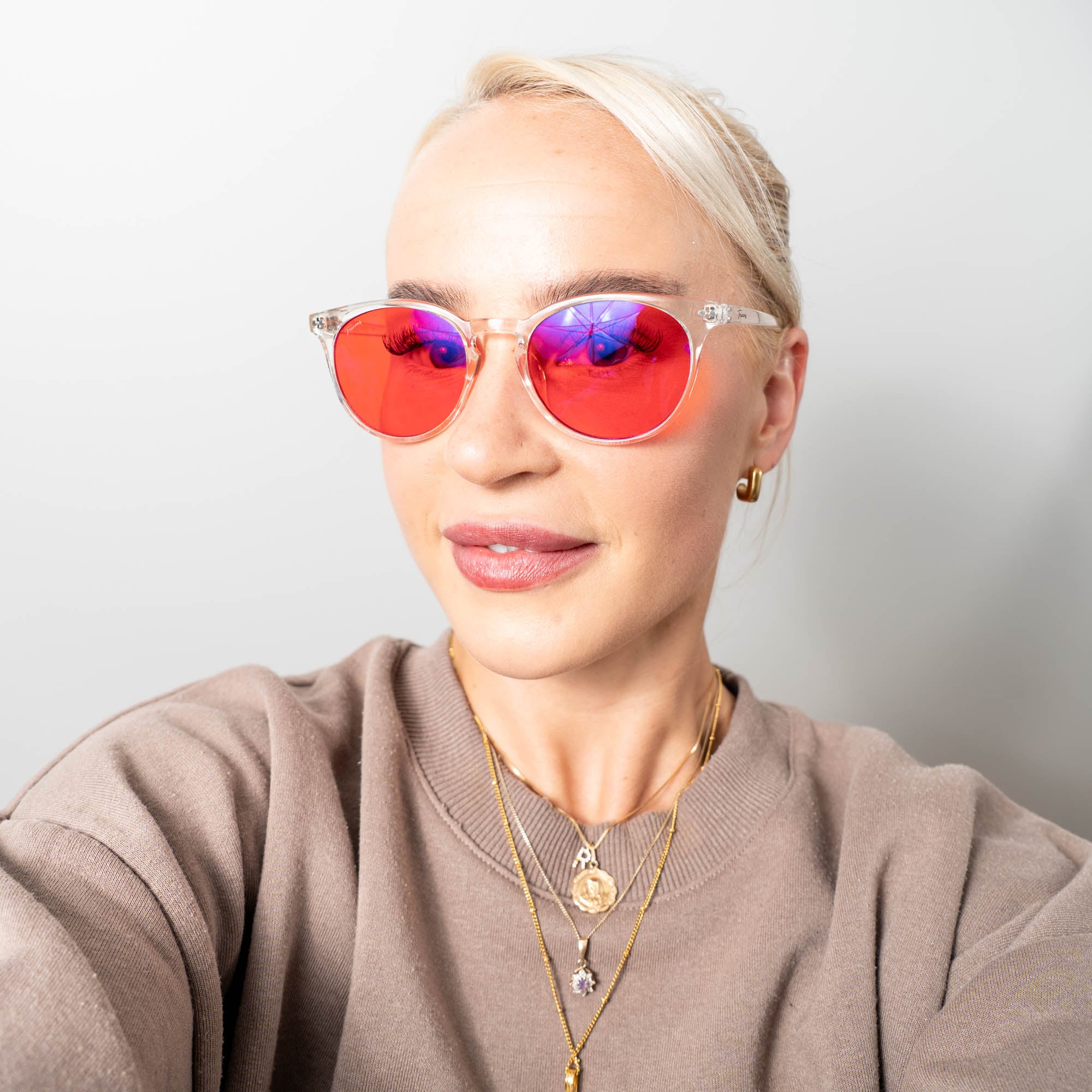
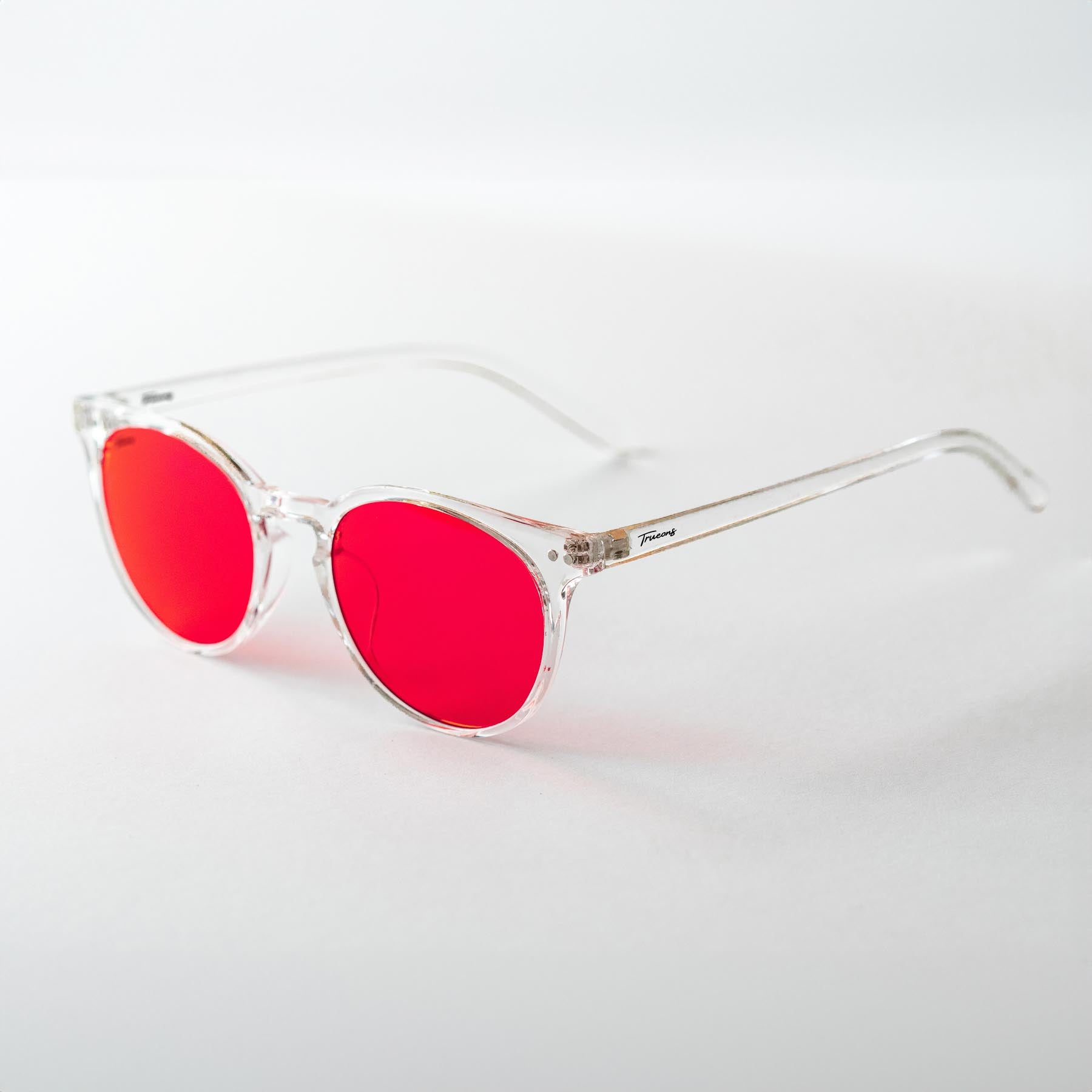
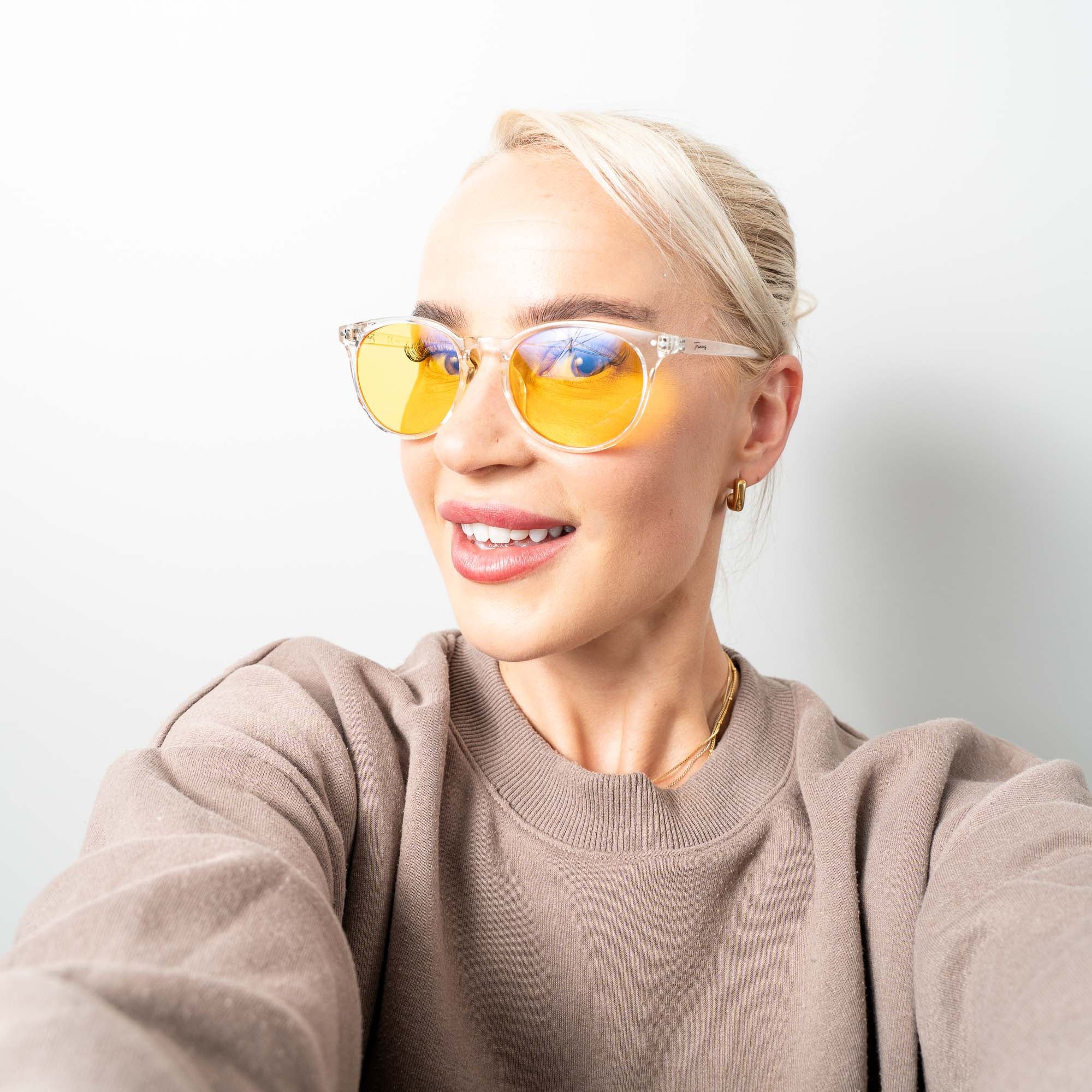
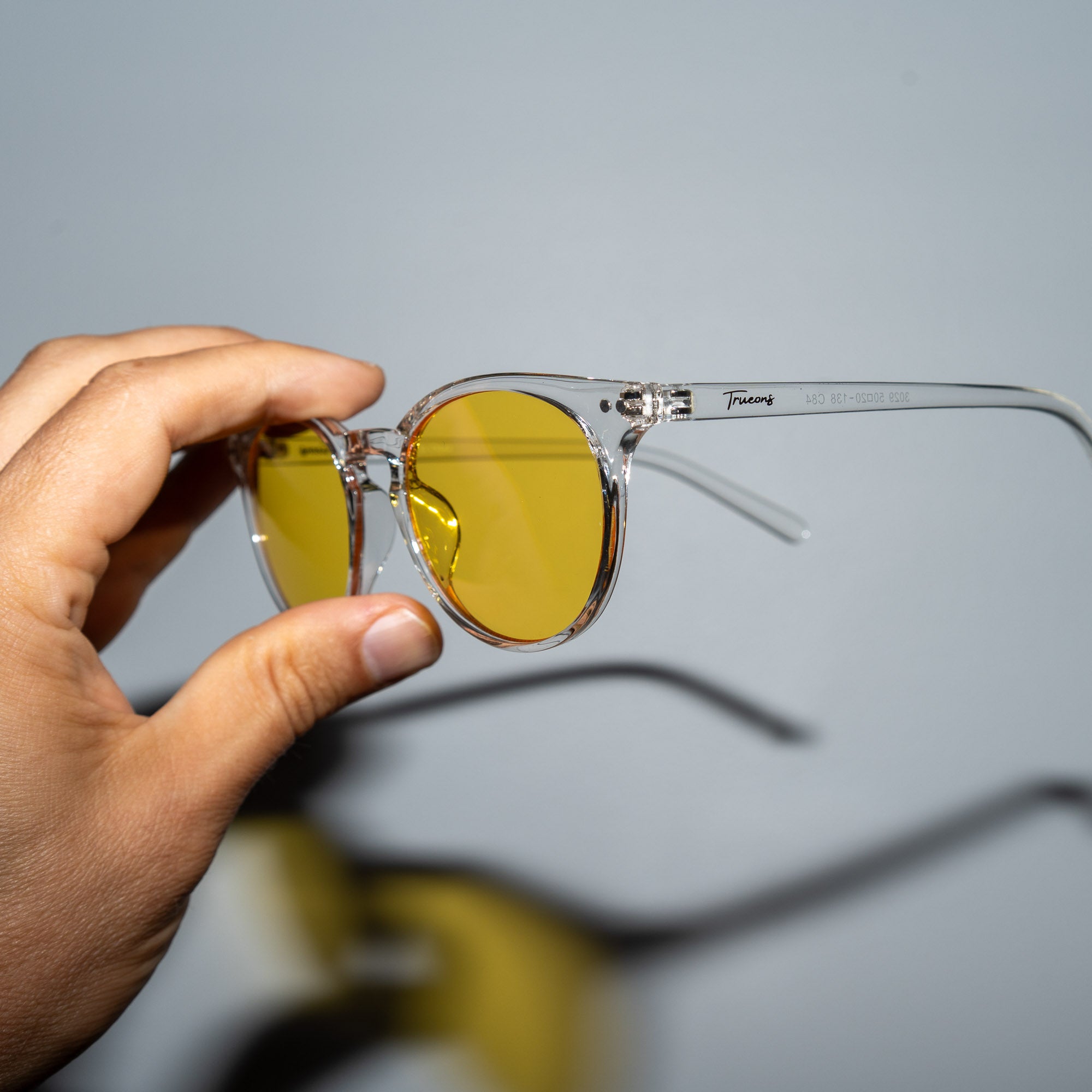
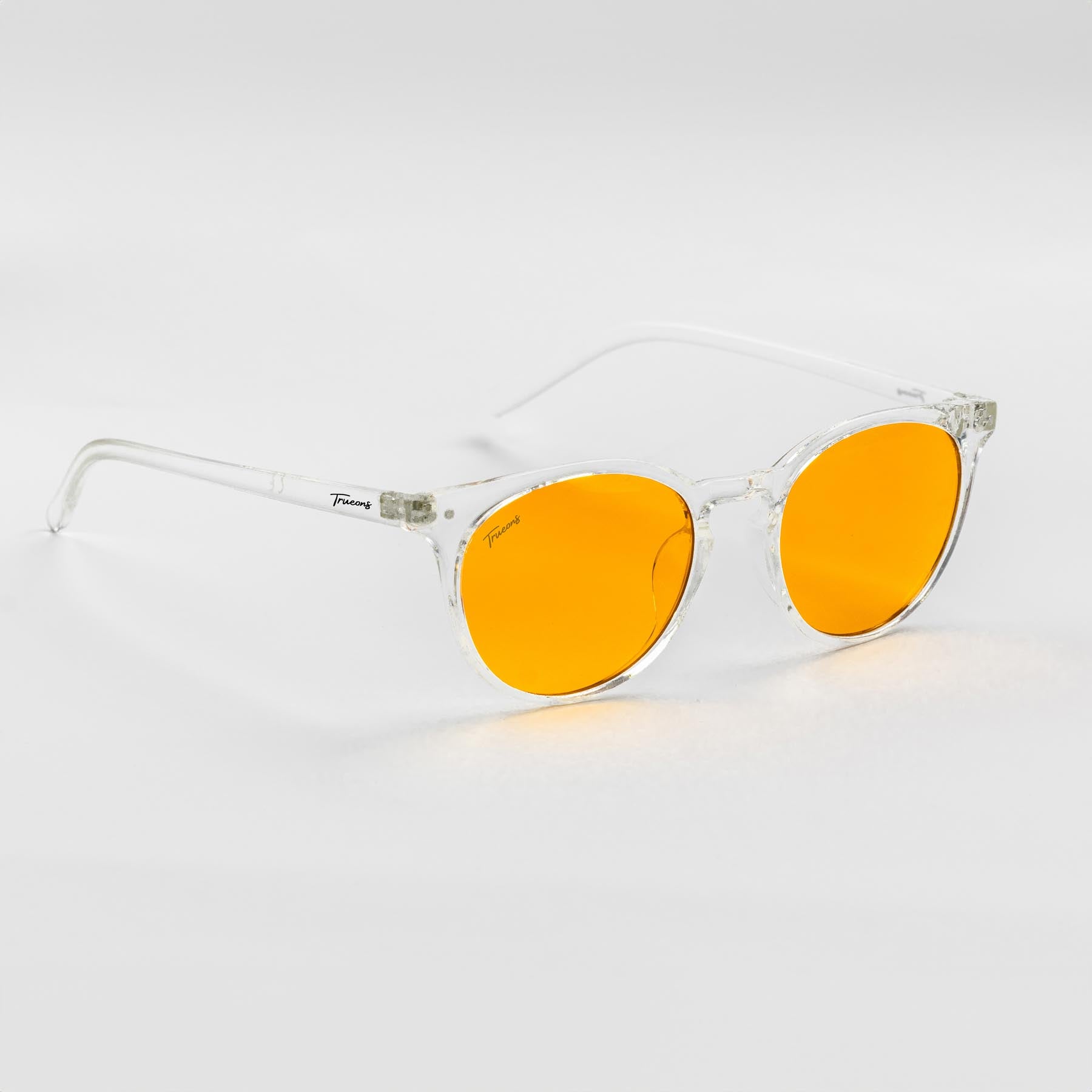
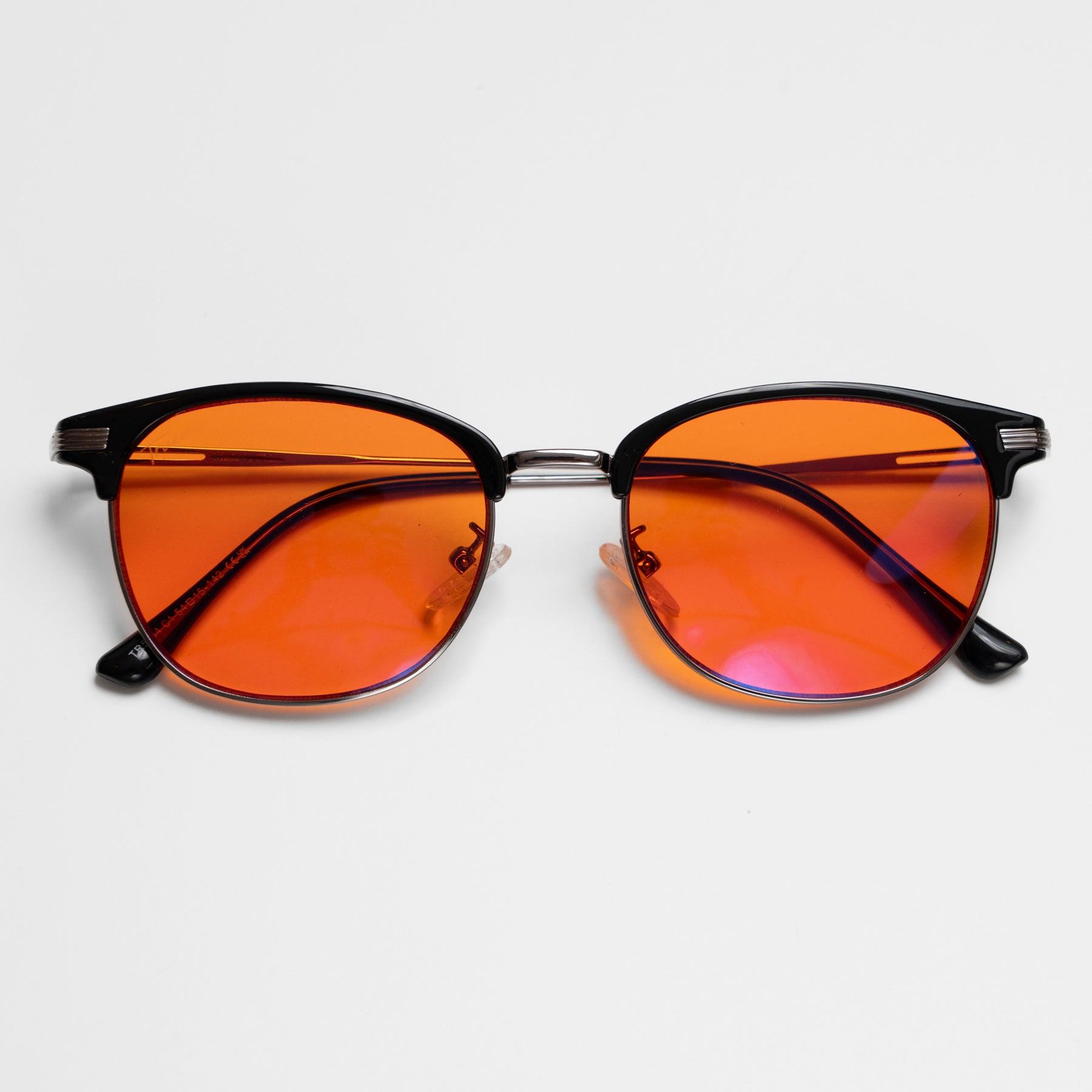
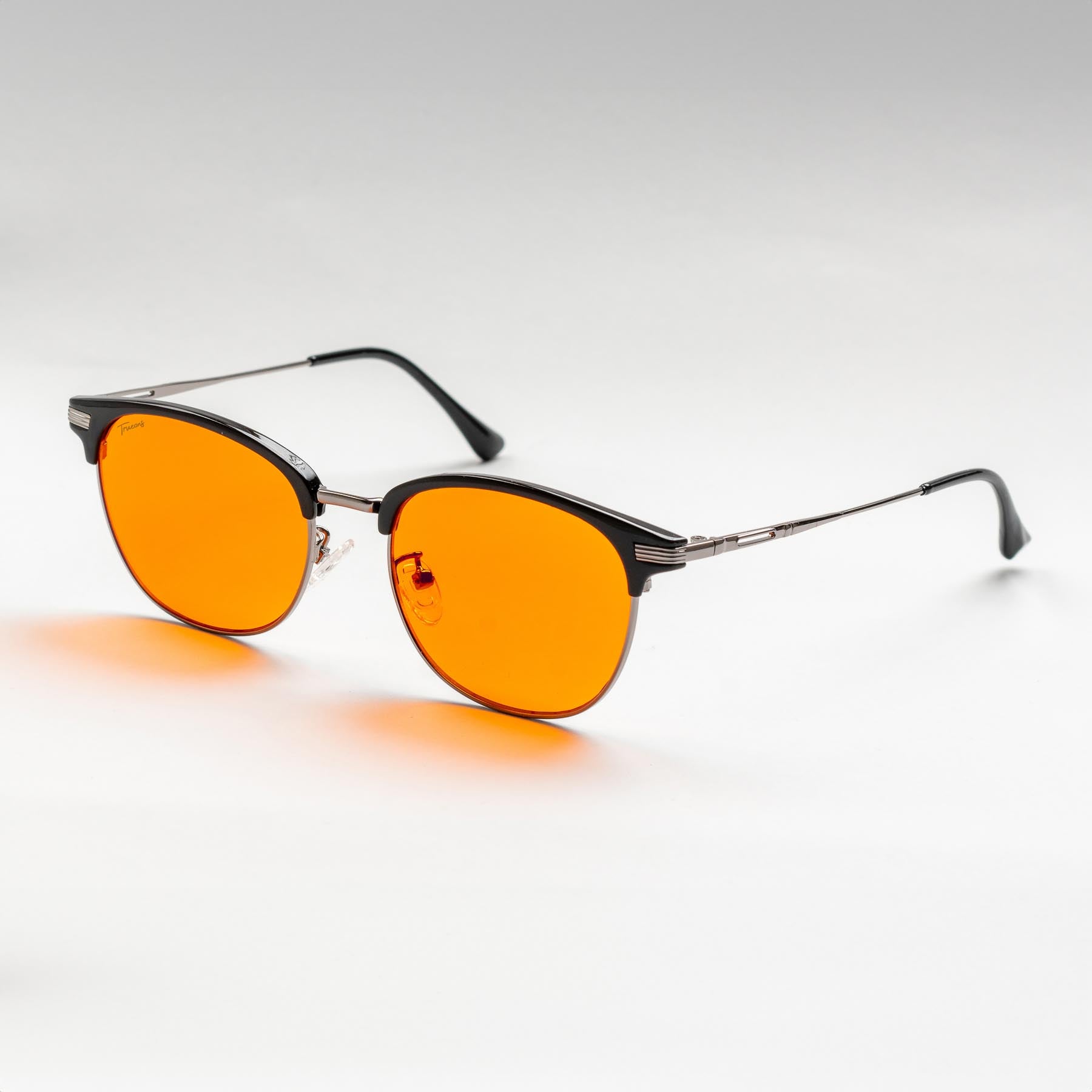
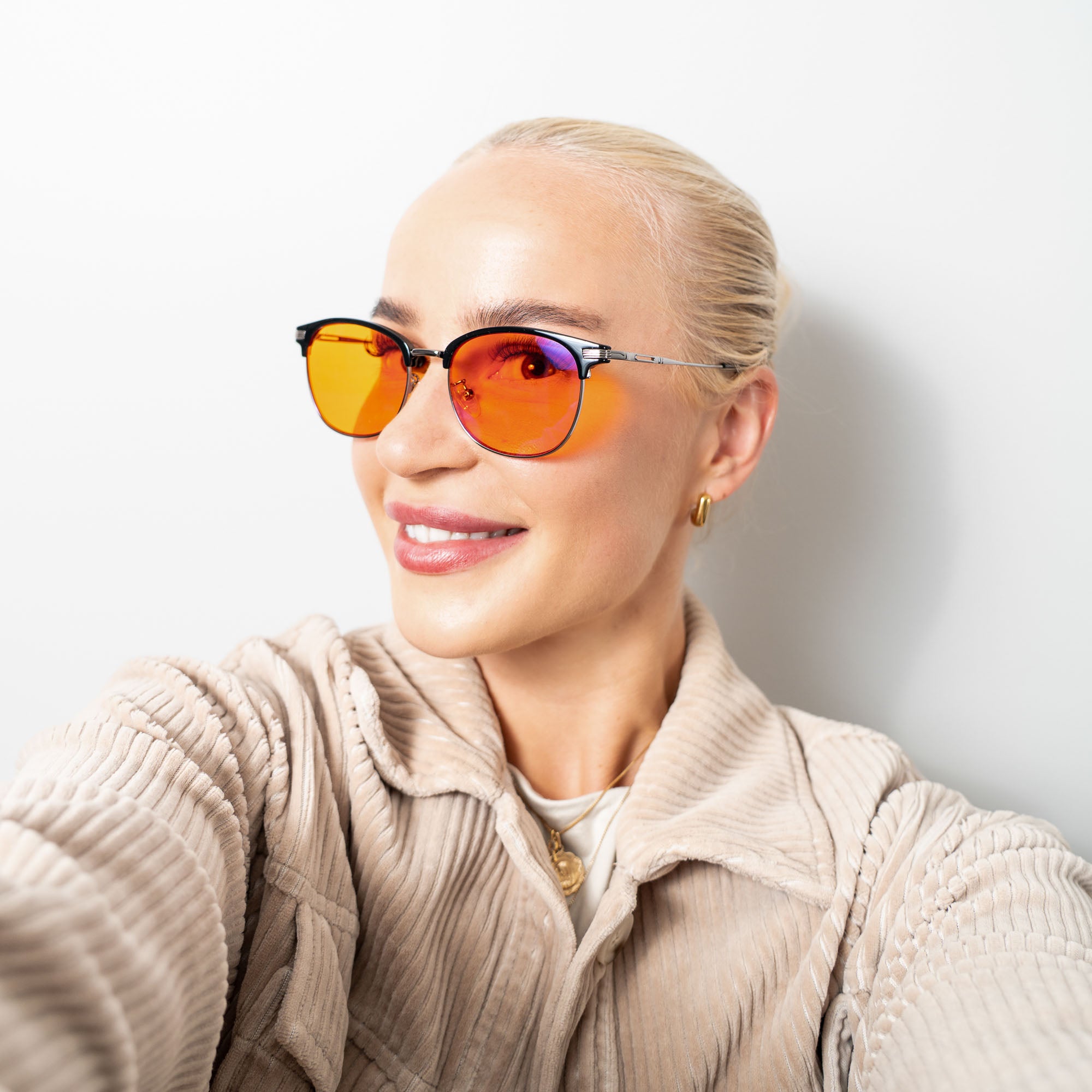
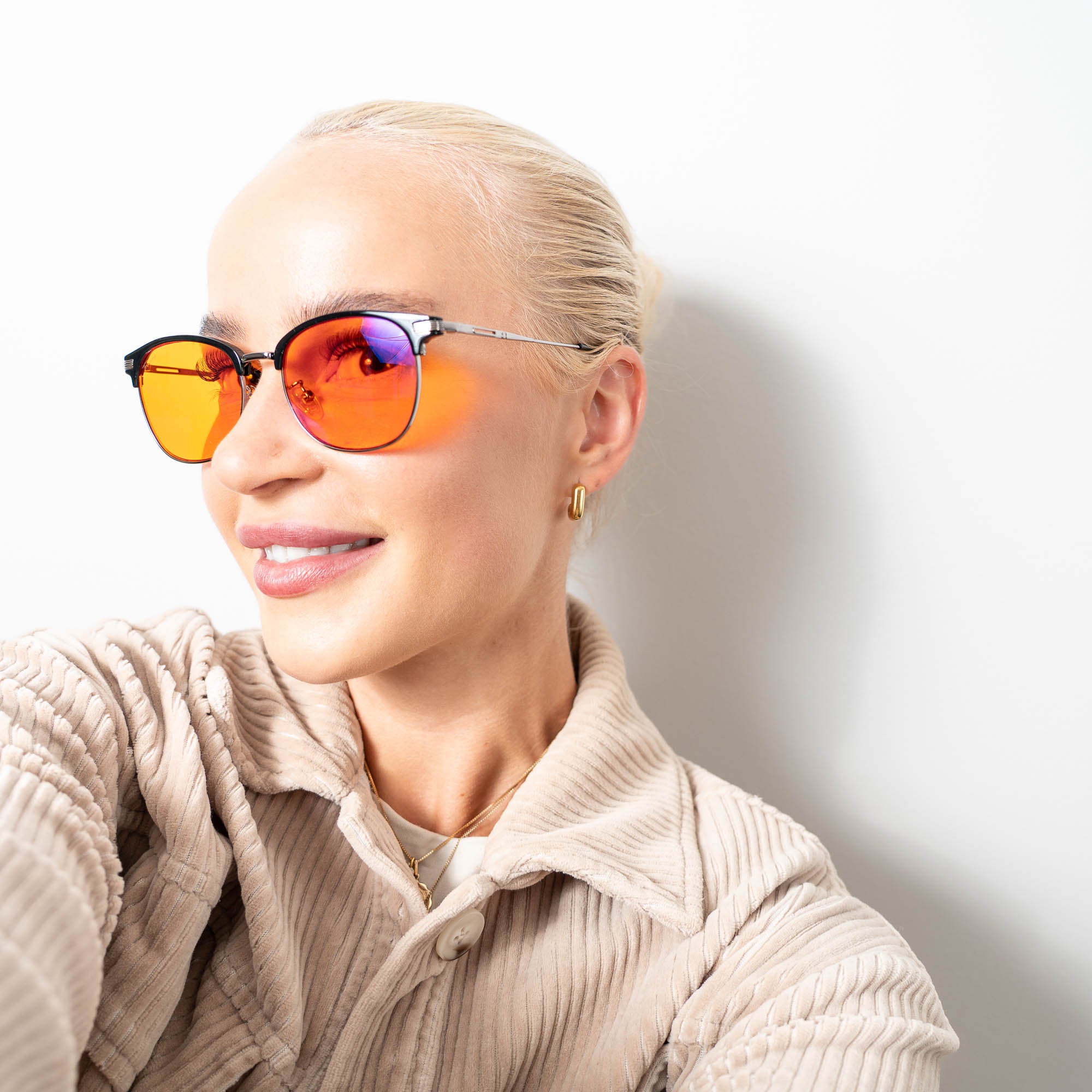
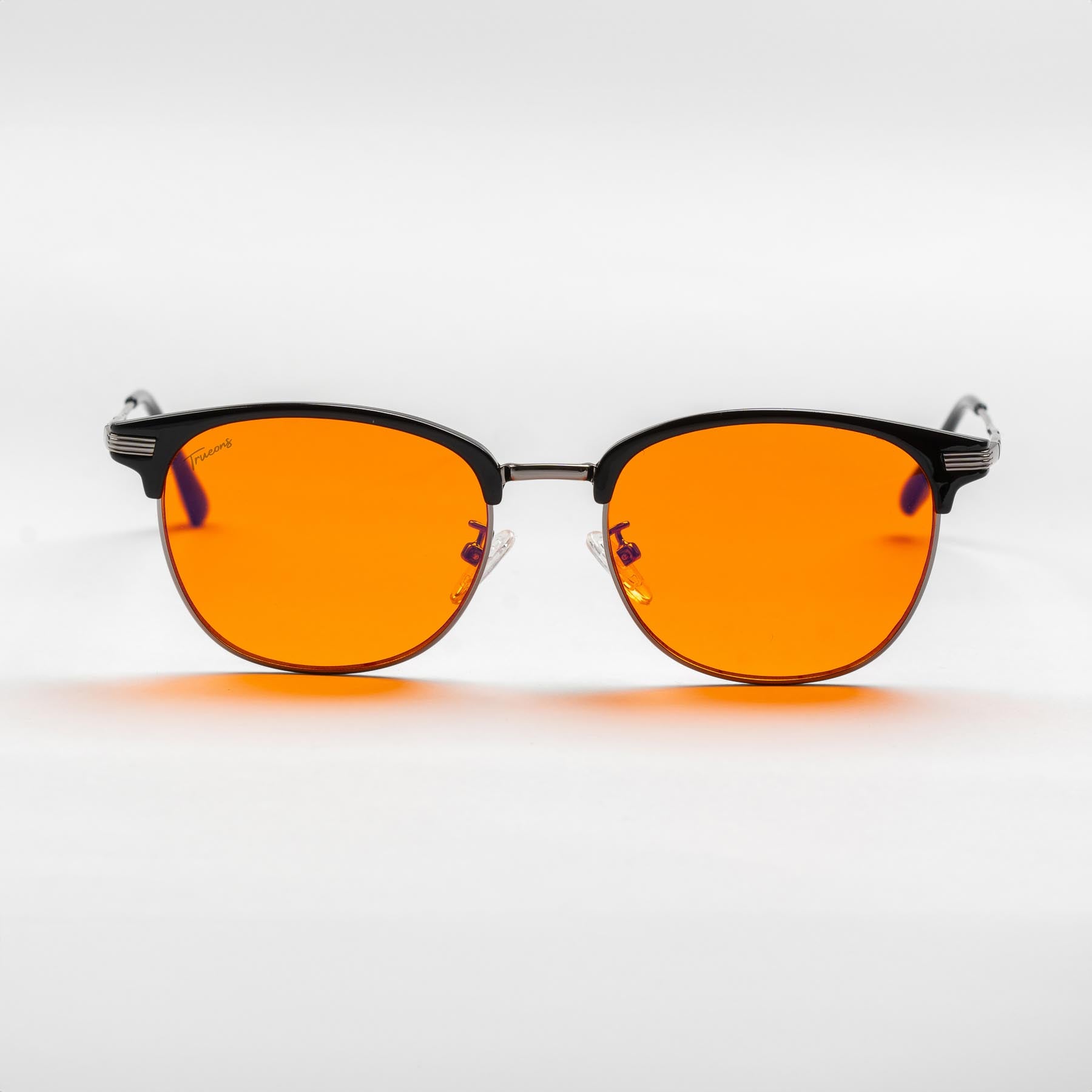
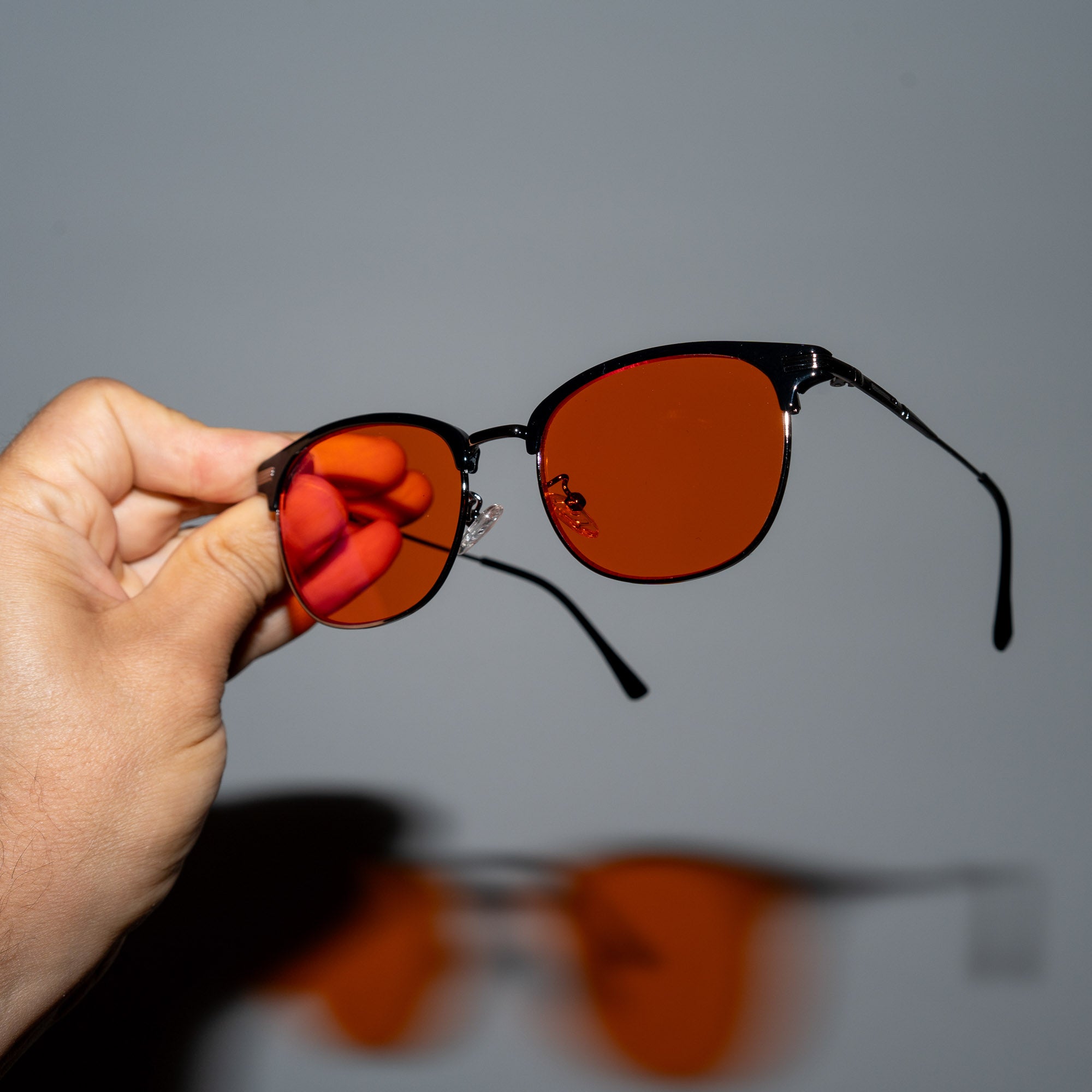
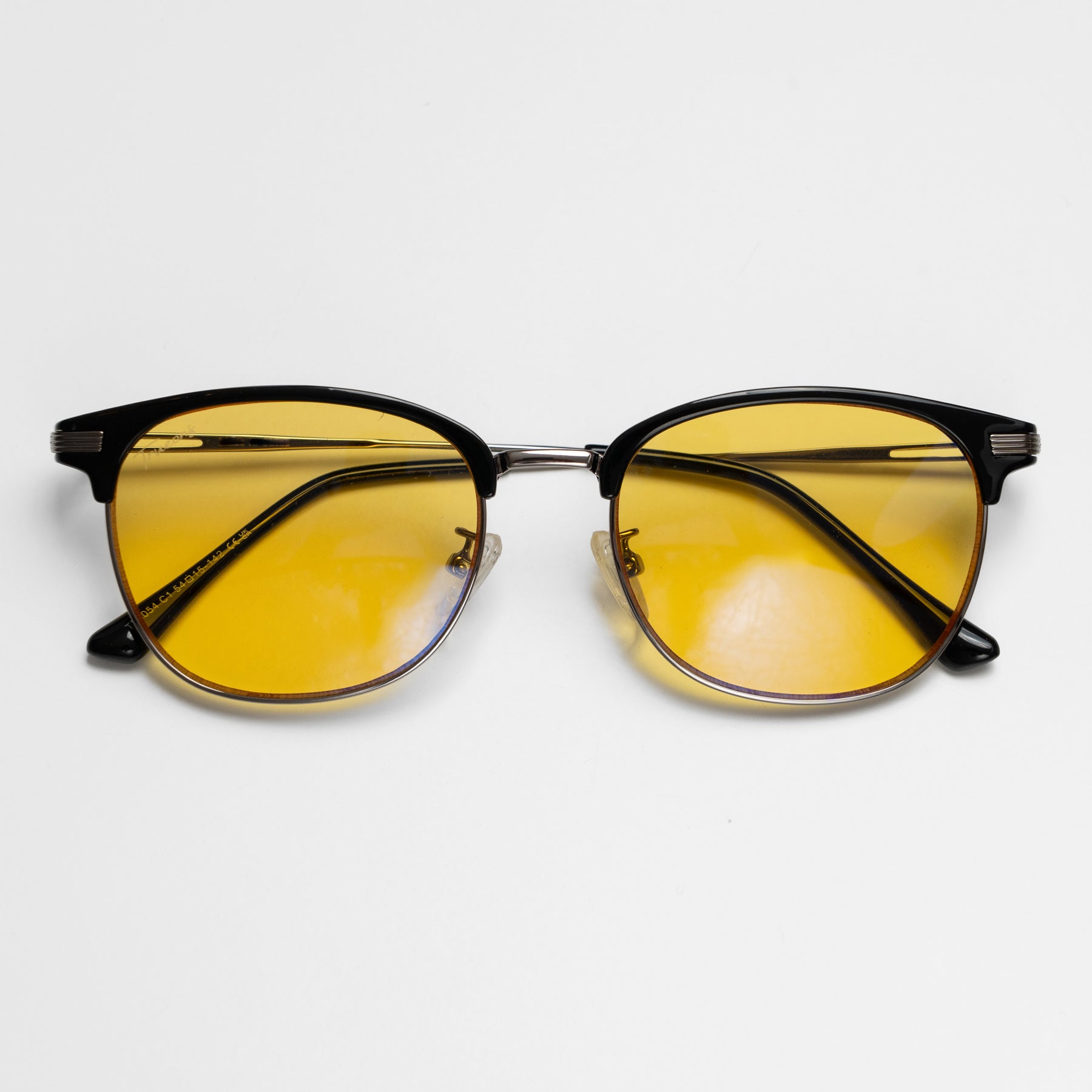
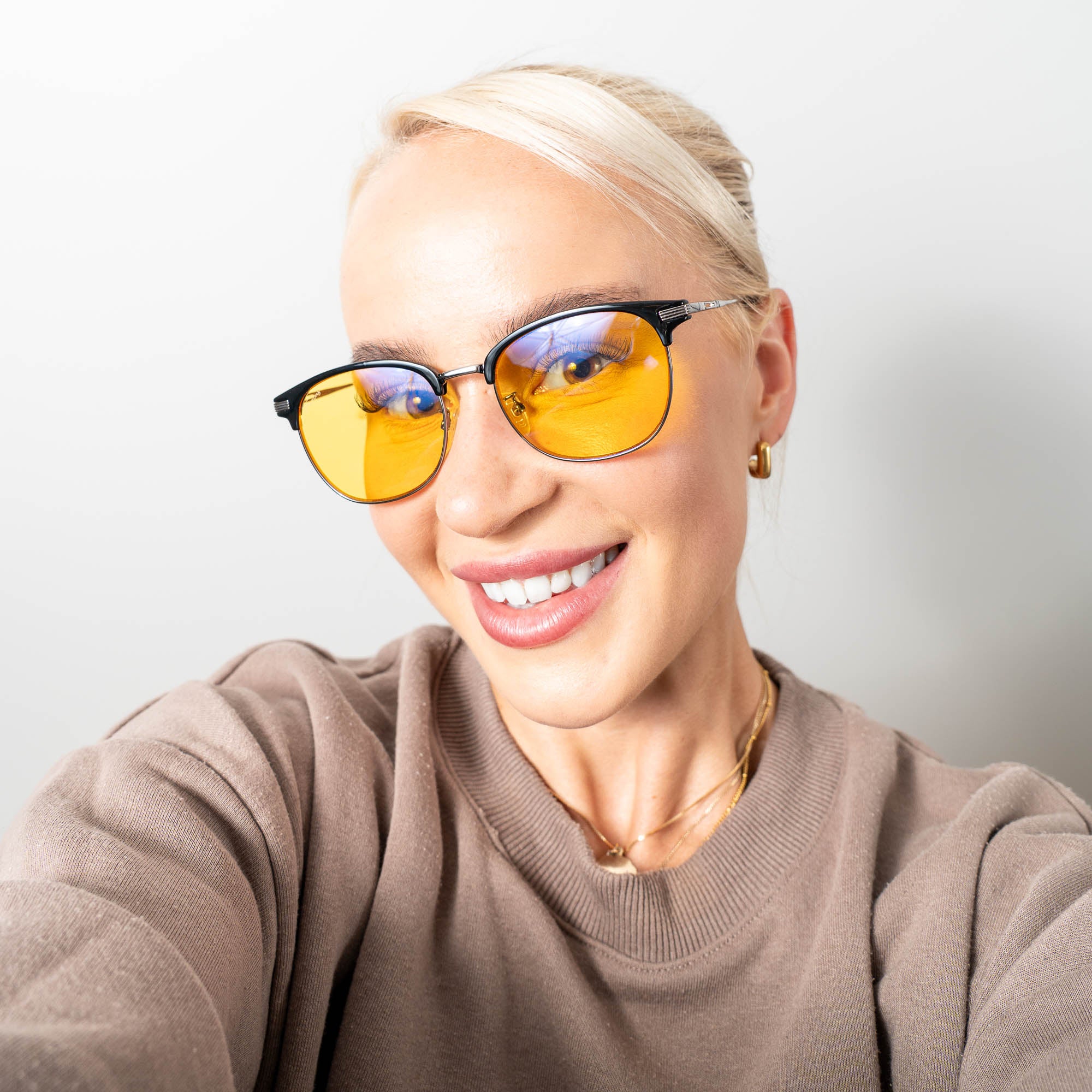
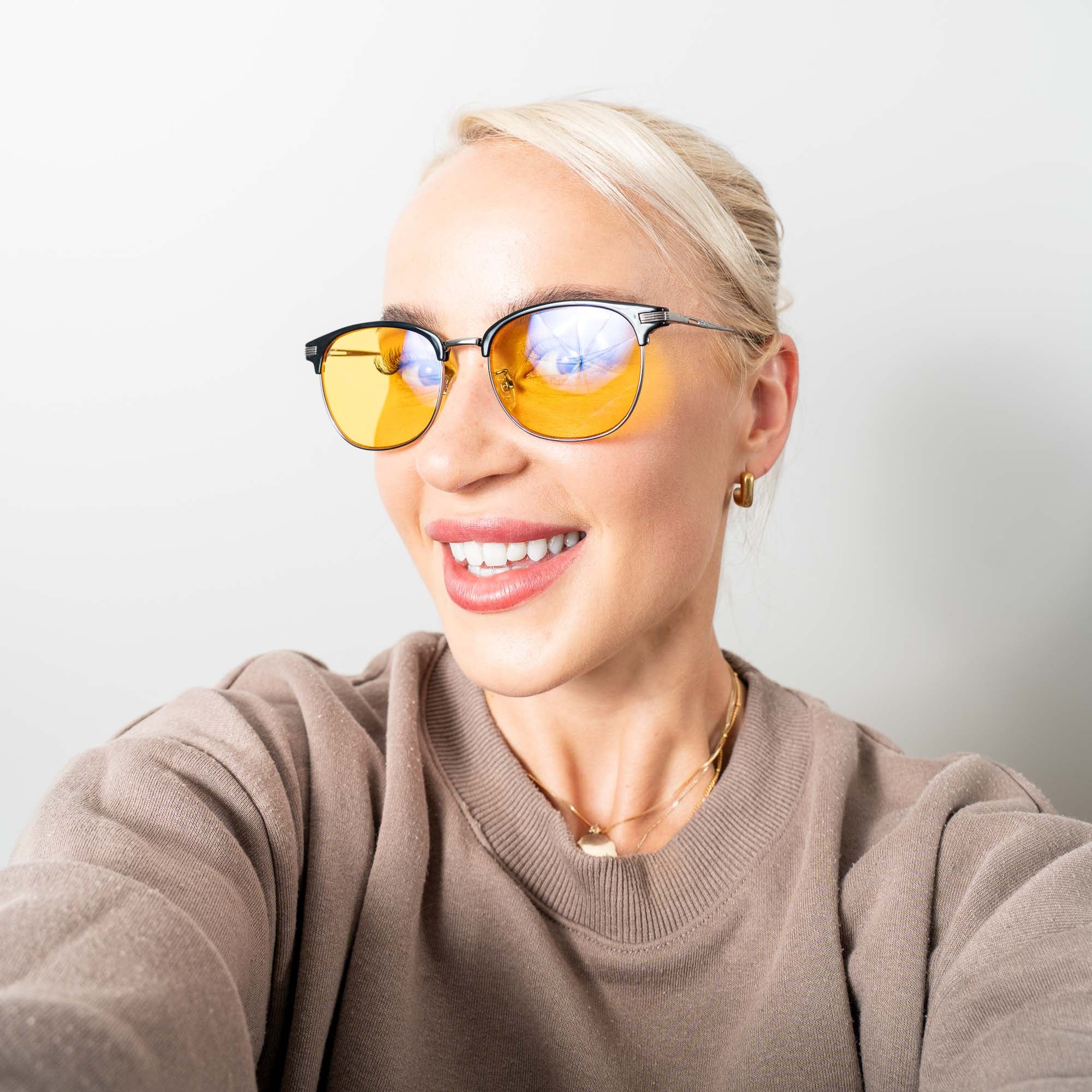
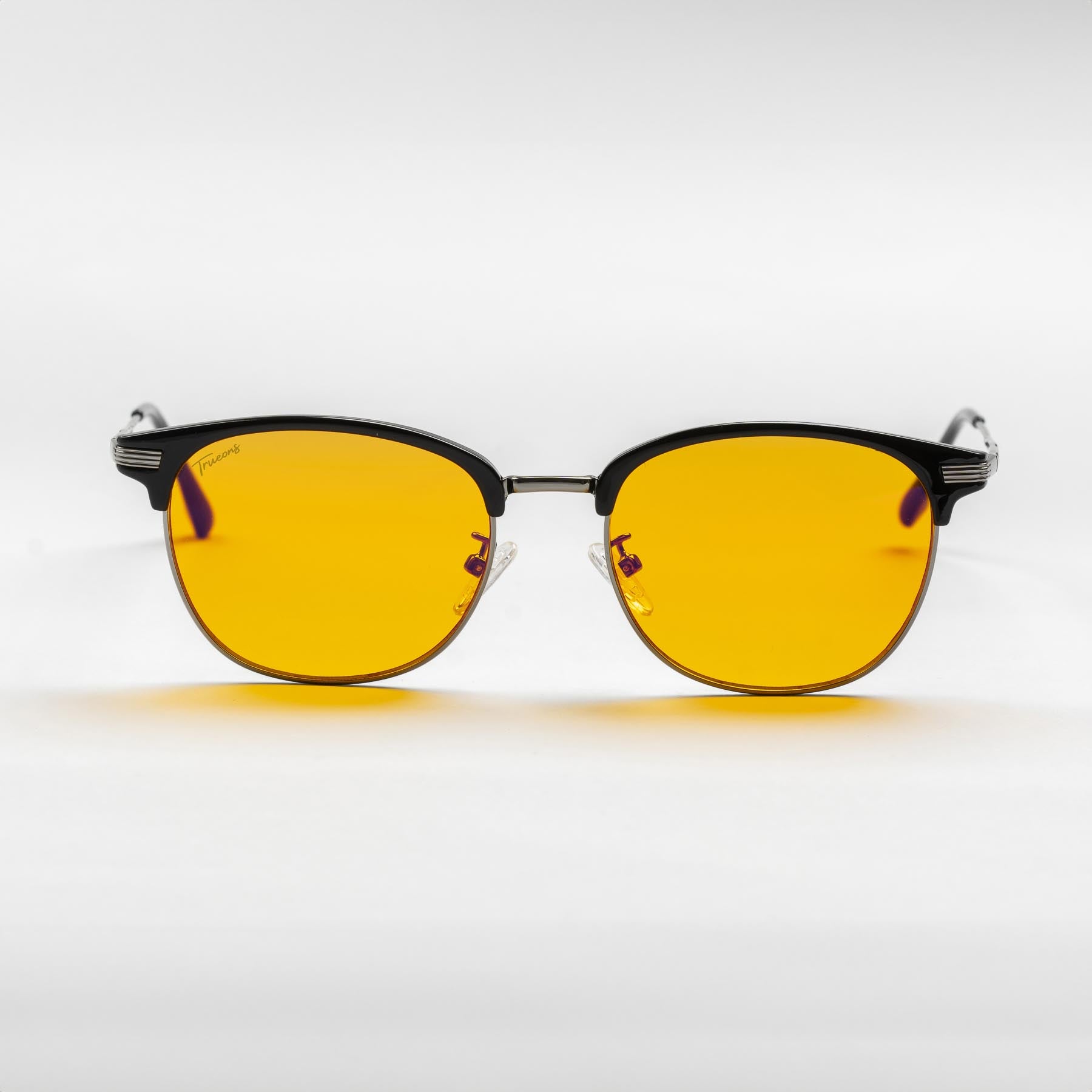
- Use Trueons glasses, specifically designed to filter the harmful part of the blue spectrum. They reduce light’s impact on melatonin production and protect your eyes from long-term strain. They’re the best way to safeguard your eyes.
Trueons glasses attenuate harmful blue light in just the right way, so your eyes aren’t strained in the evening, sleep starts more smoothly, and overall wellbeing stays intact. They help you sleep better and wake up more refreshed.
How to choose your blue-light protection glasses?
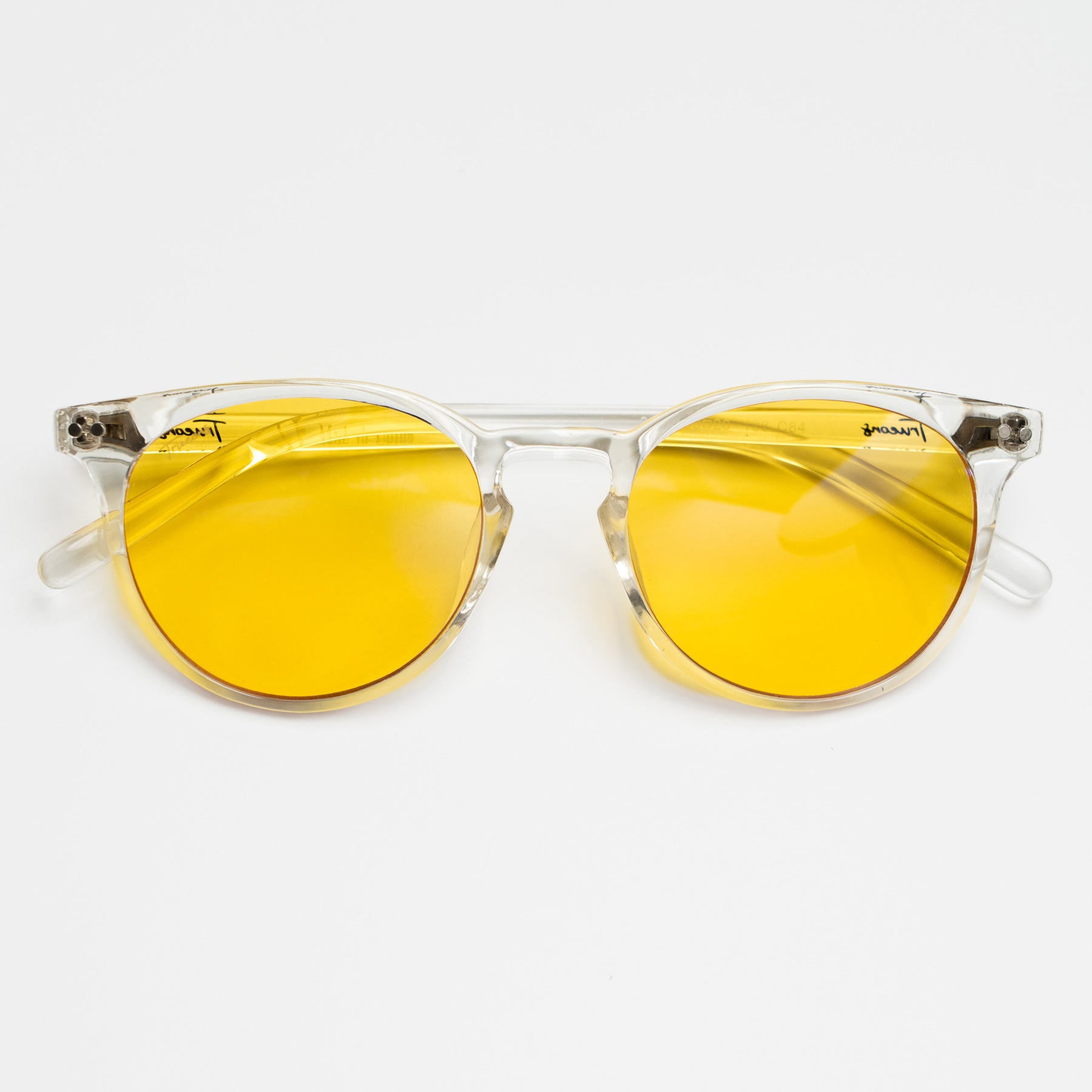
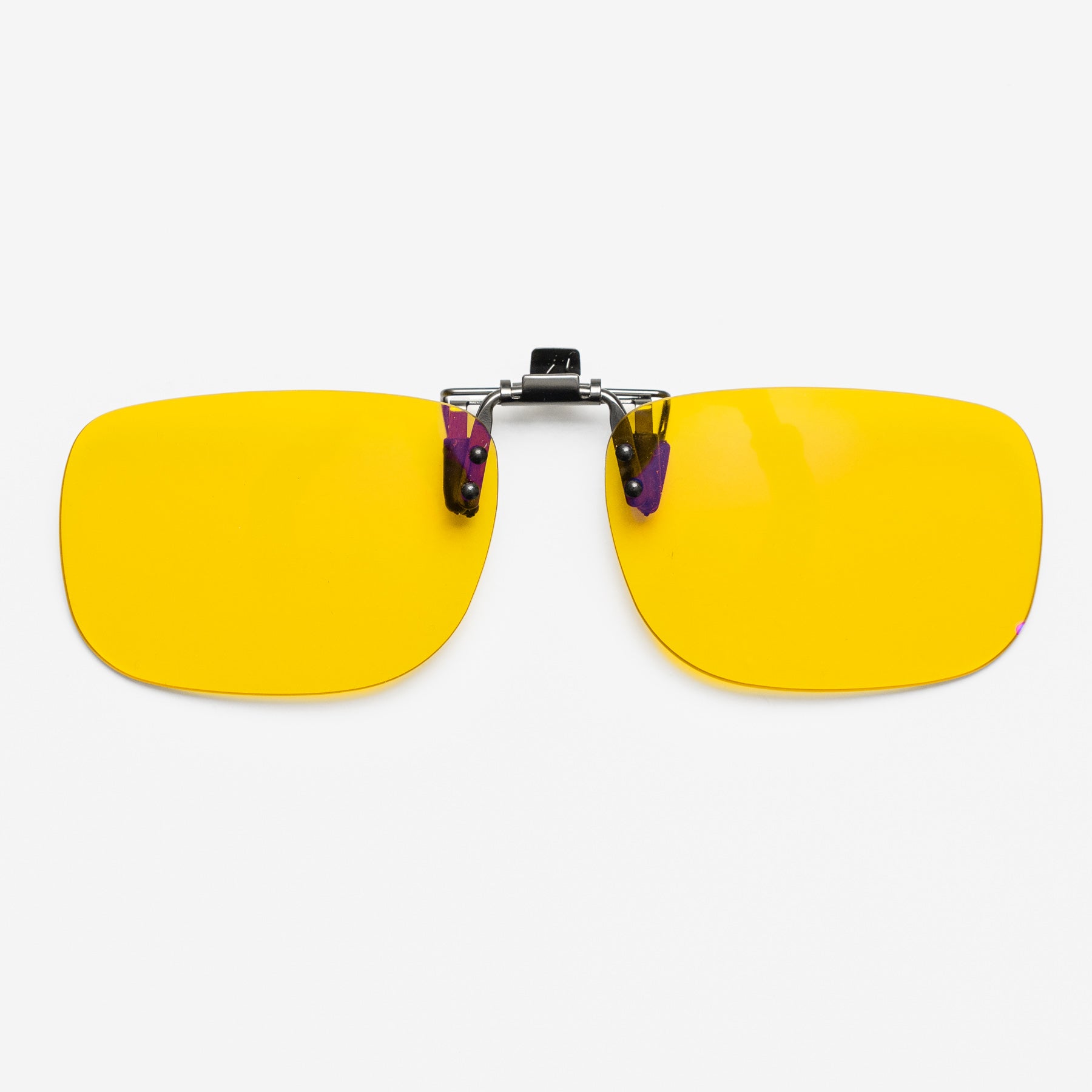
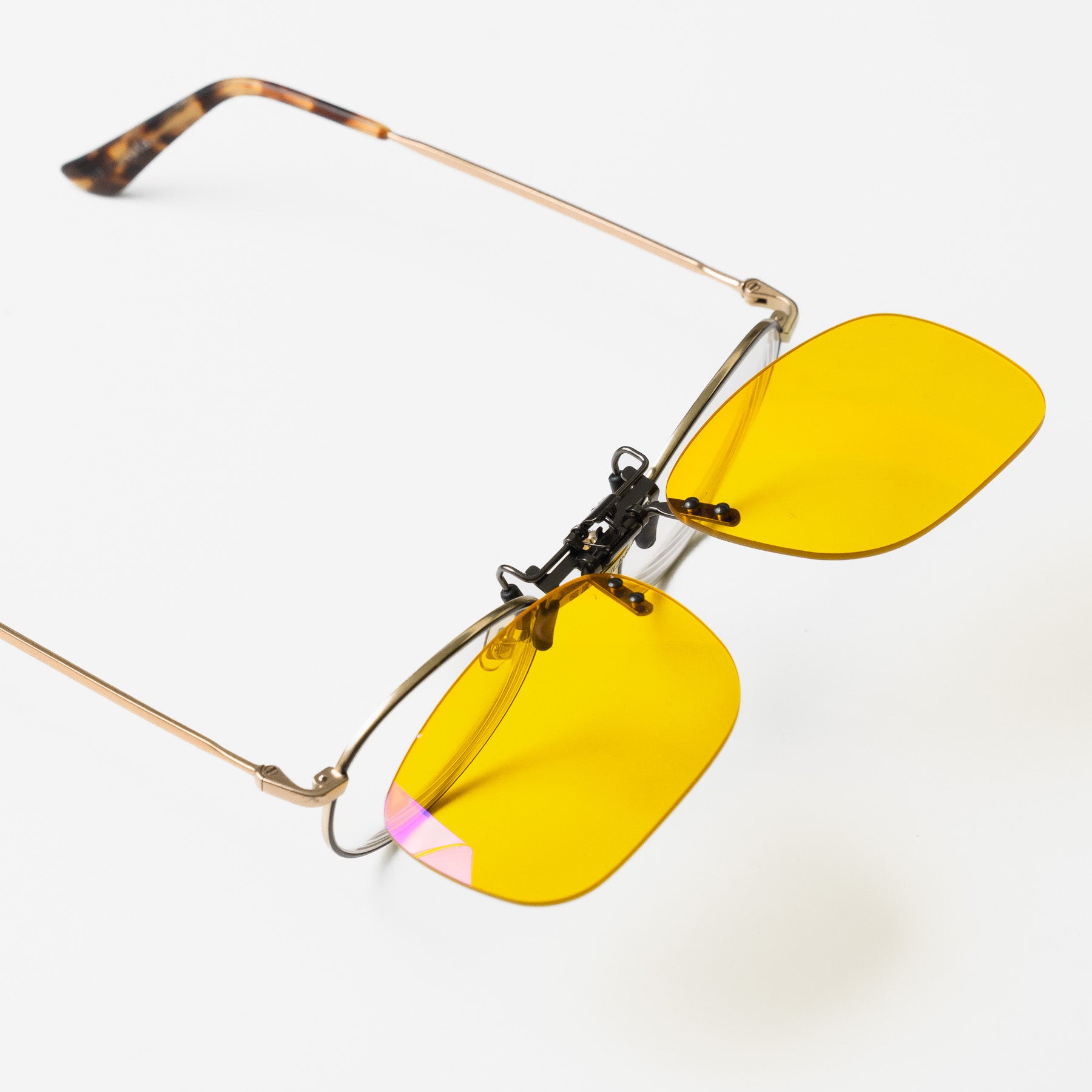
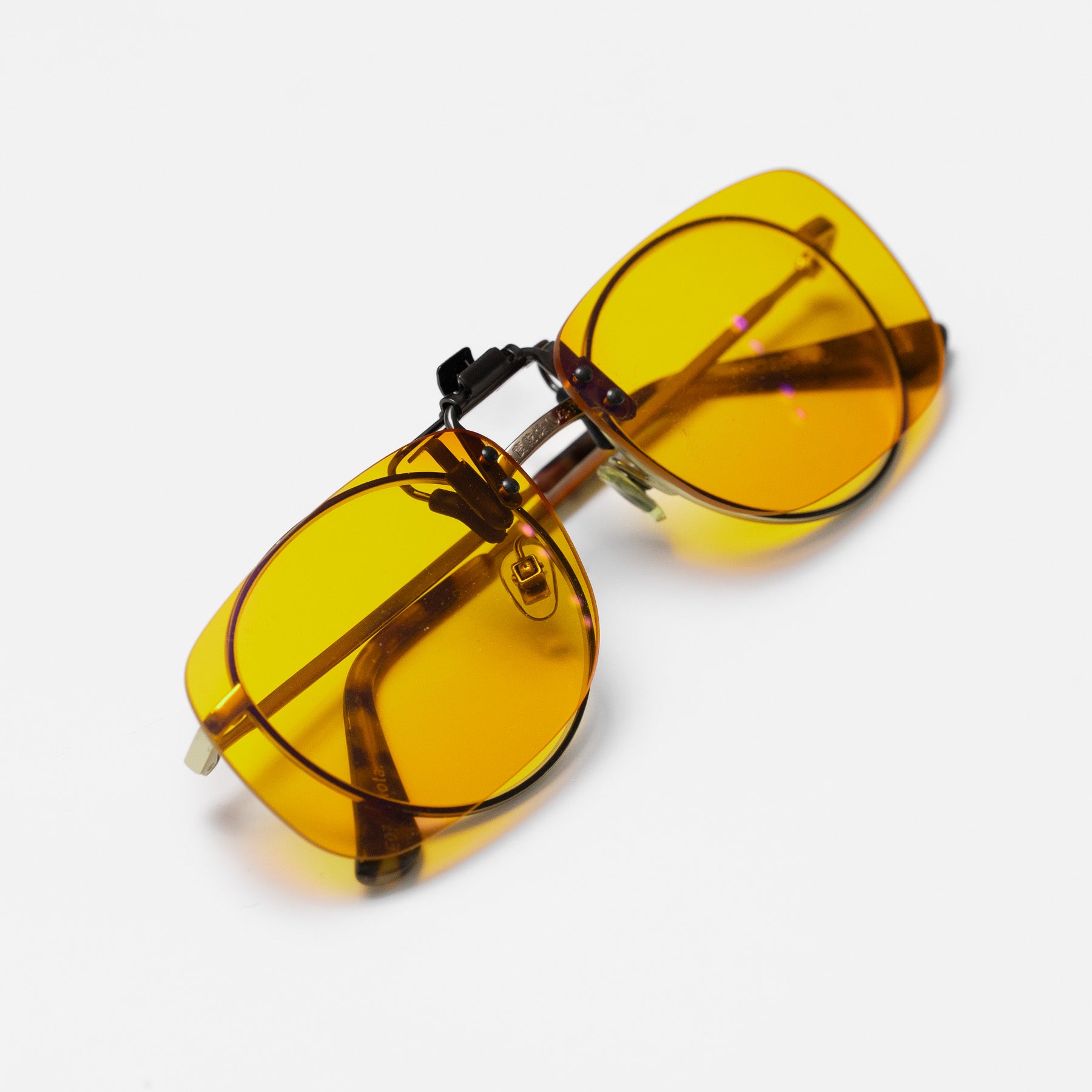
Yellow Lens - Daytime
Ideal for office work and everyday screen time indoors. Modern displays are heavily blue-dominant, and yellow lenses help balance the spectrum back toward something more natural. Your eyes tire less and your energy stays steadier.

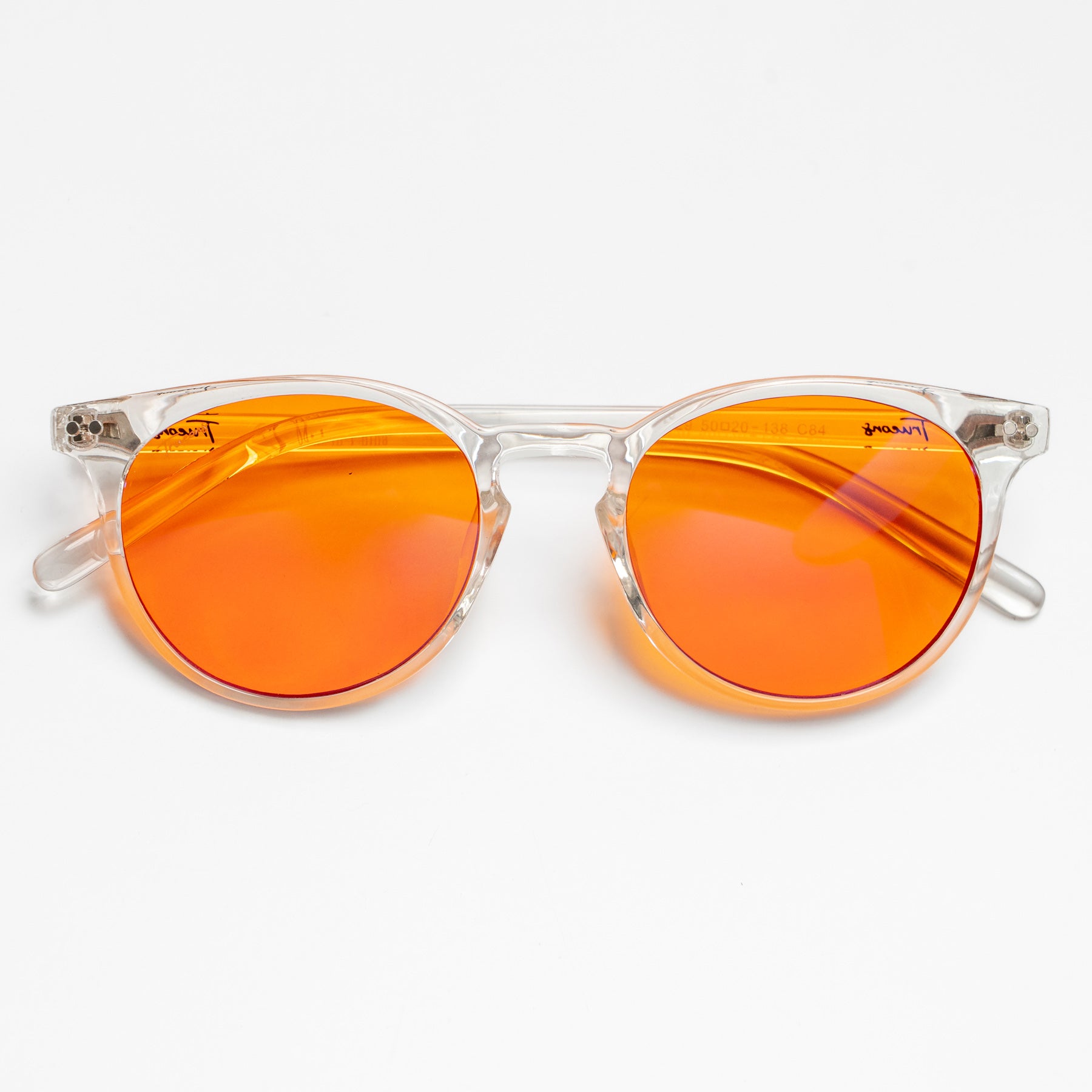
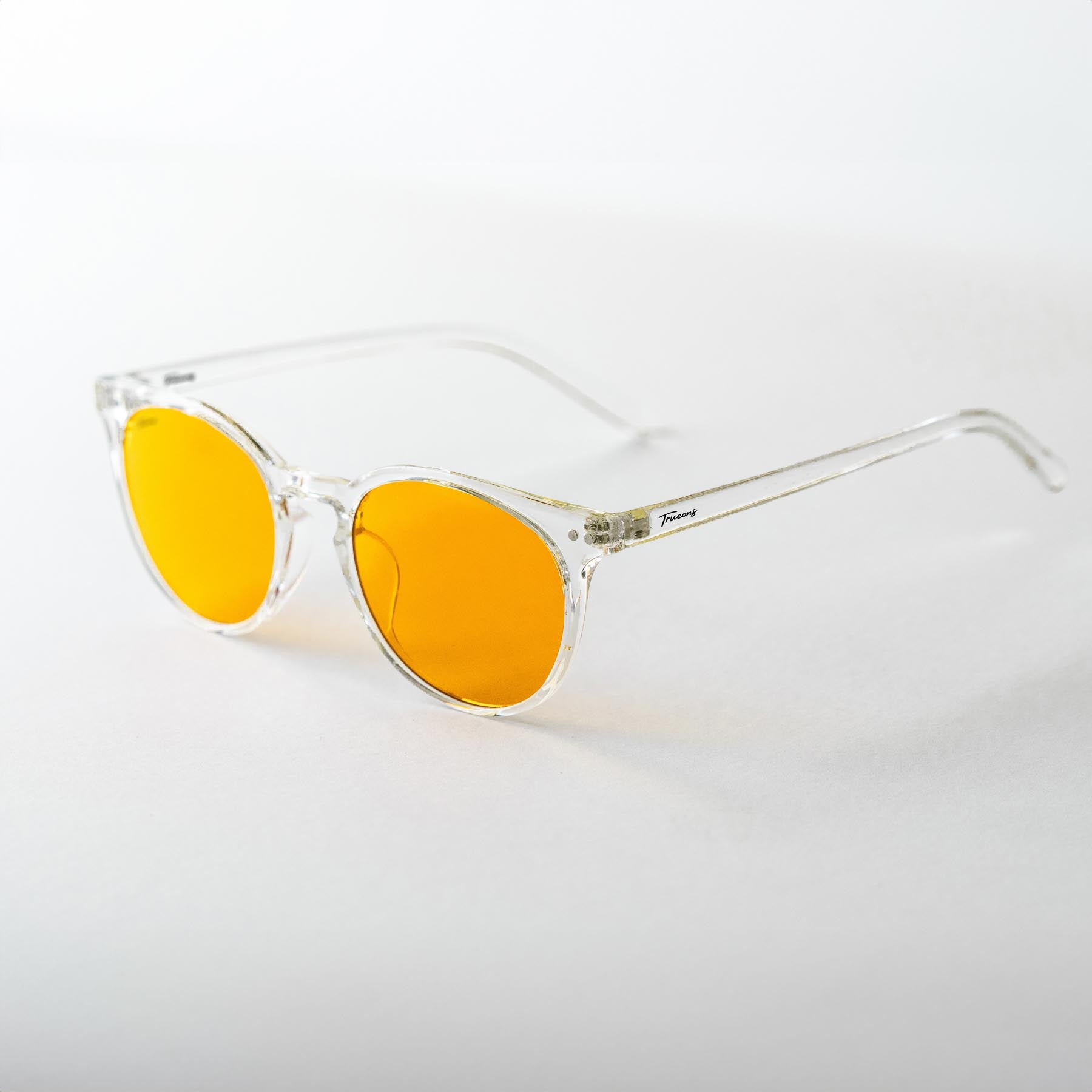
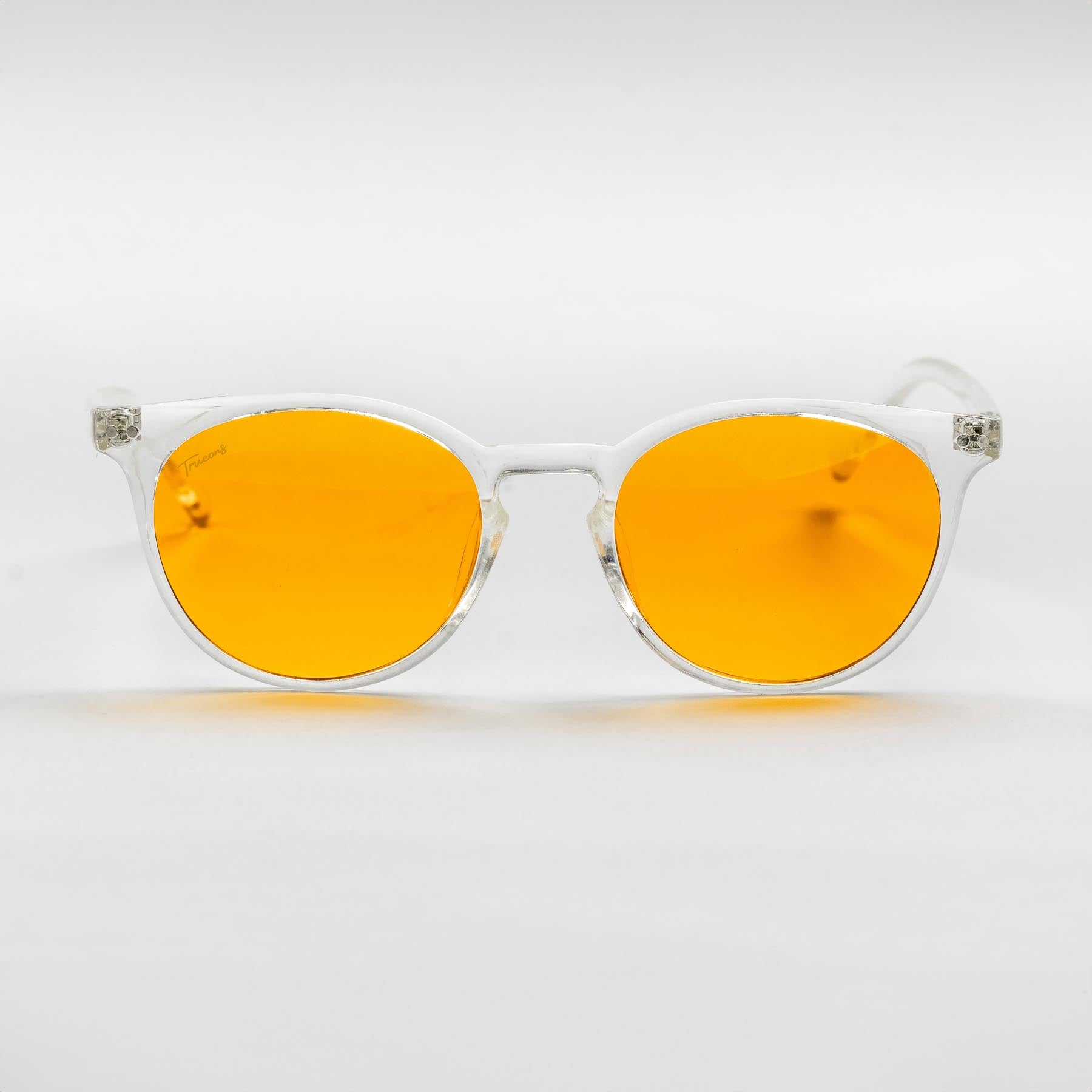
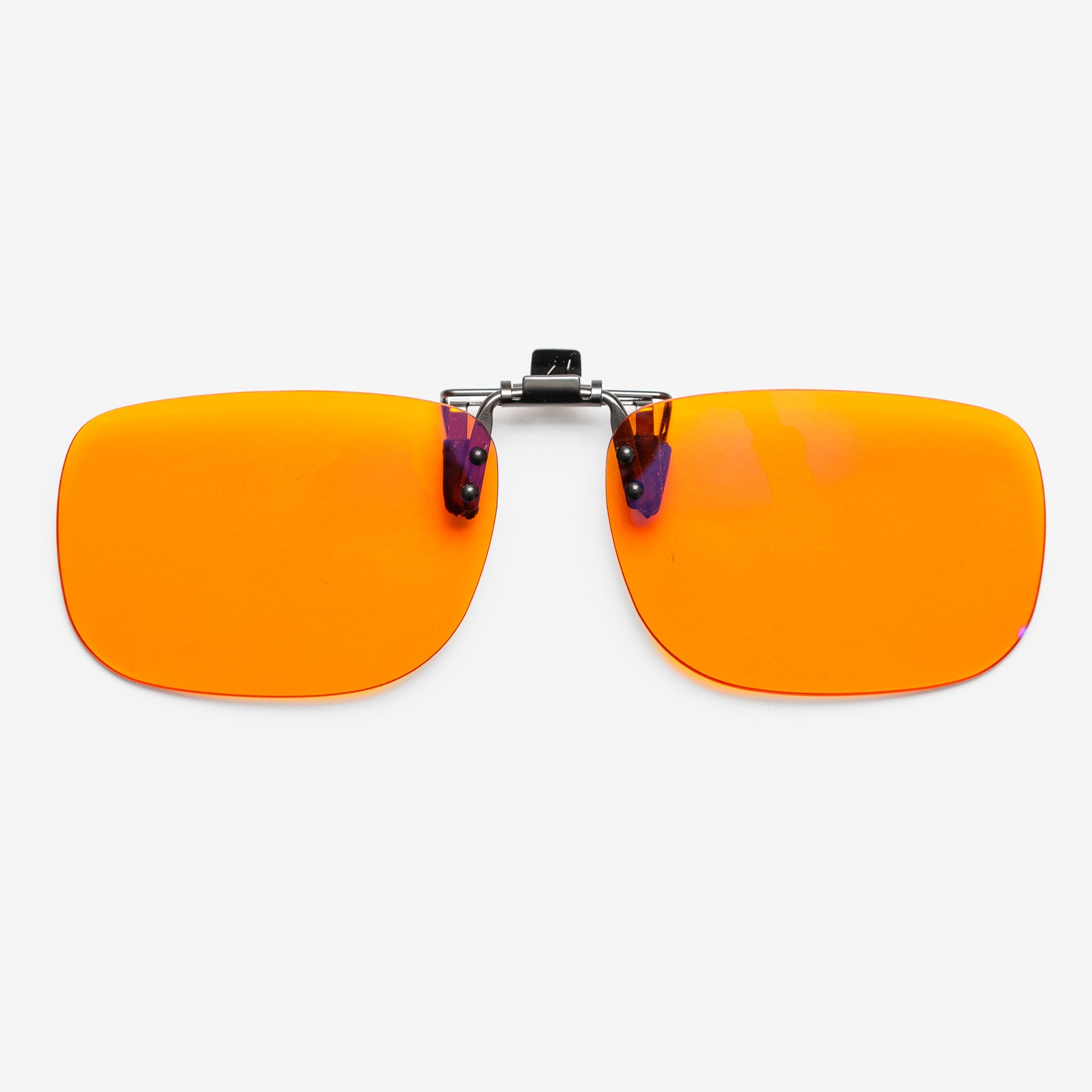
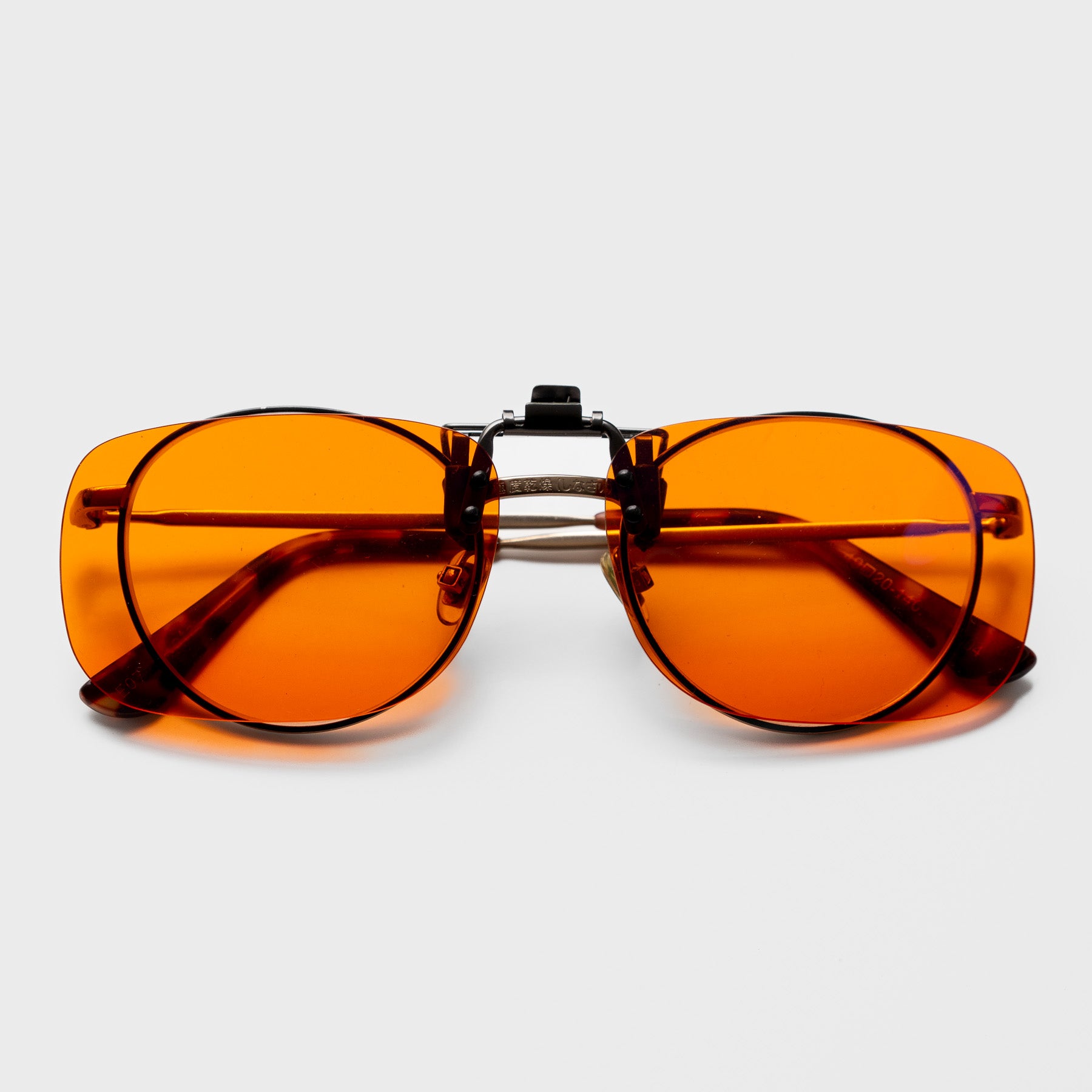
Orange Lens - Evening
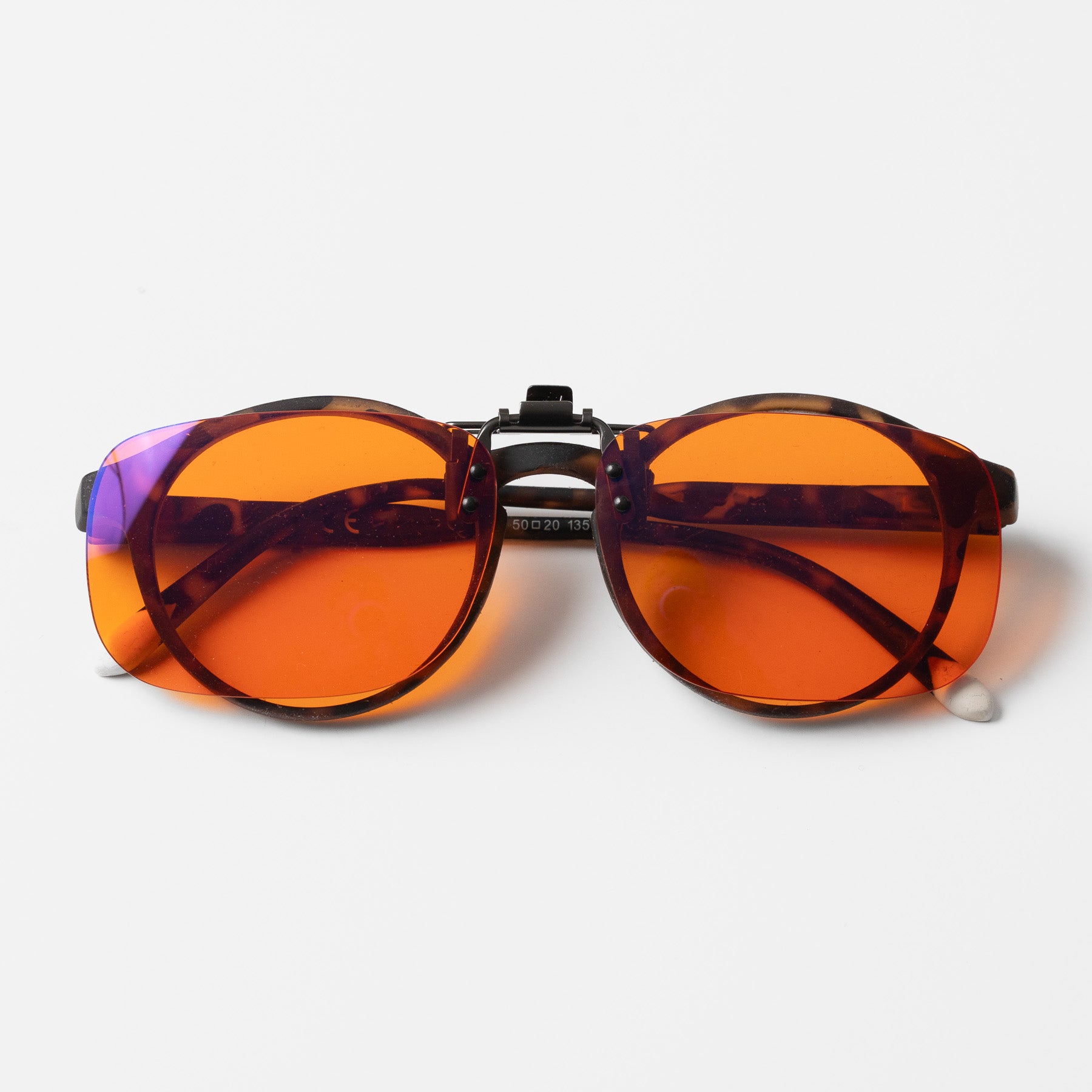
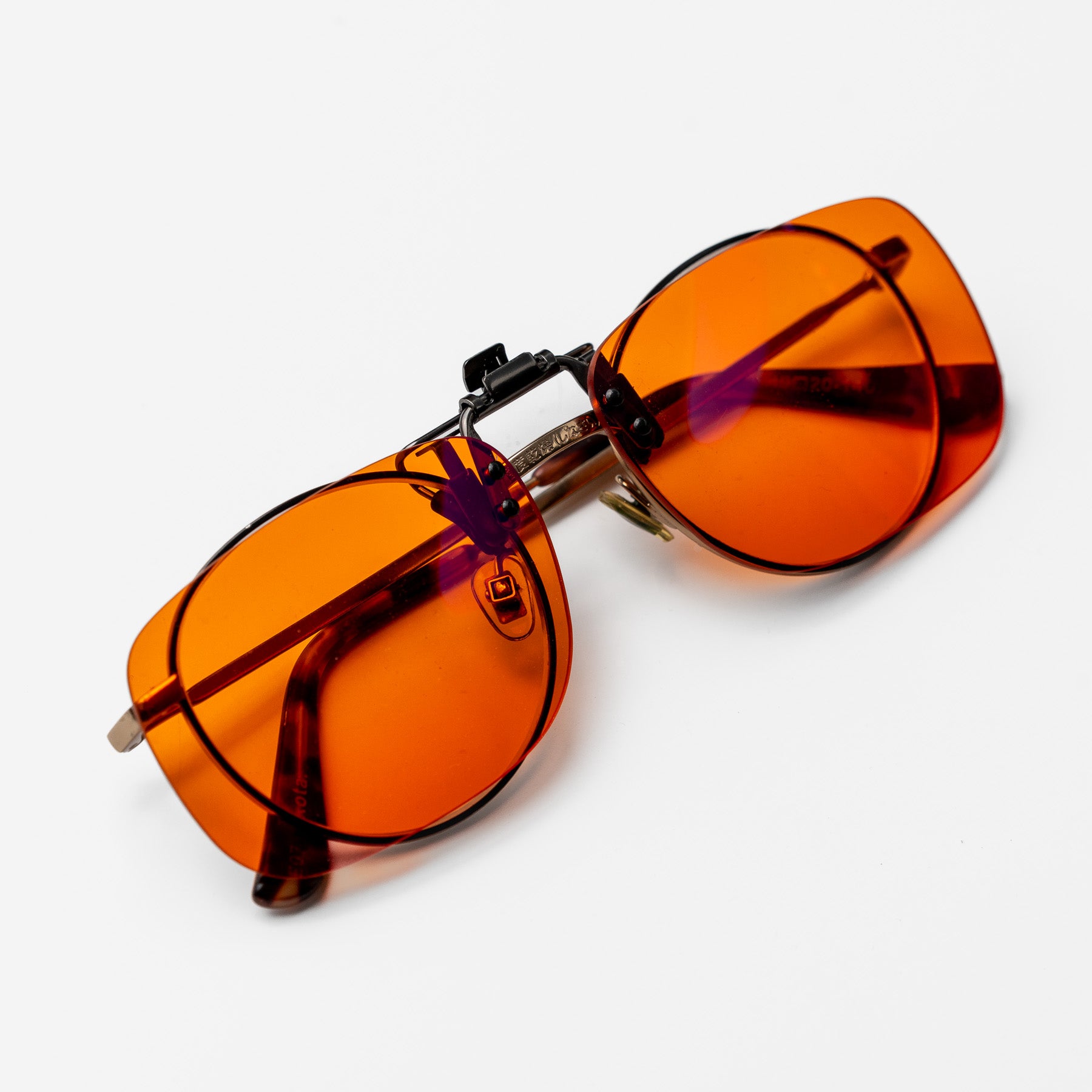
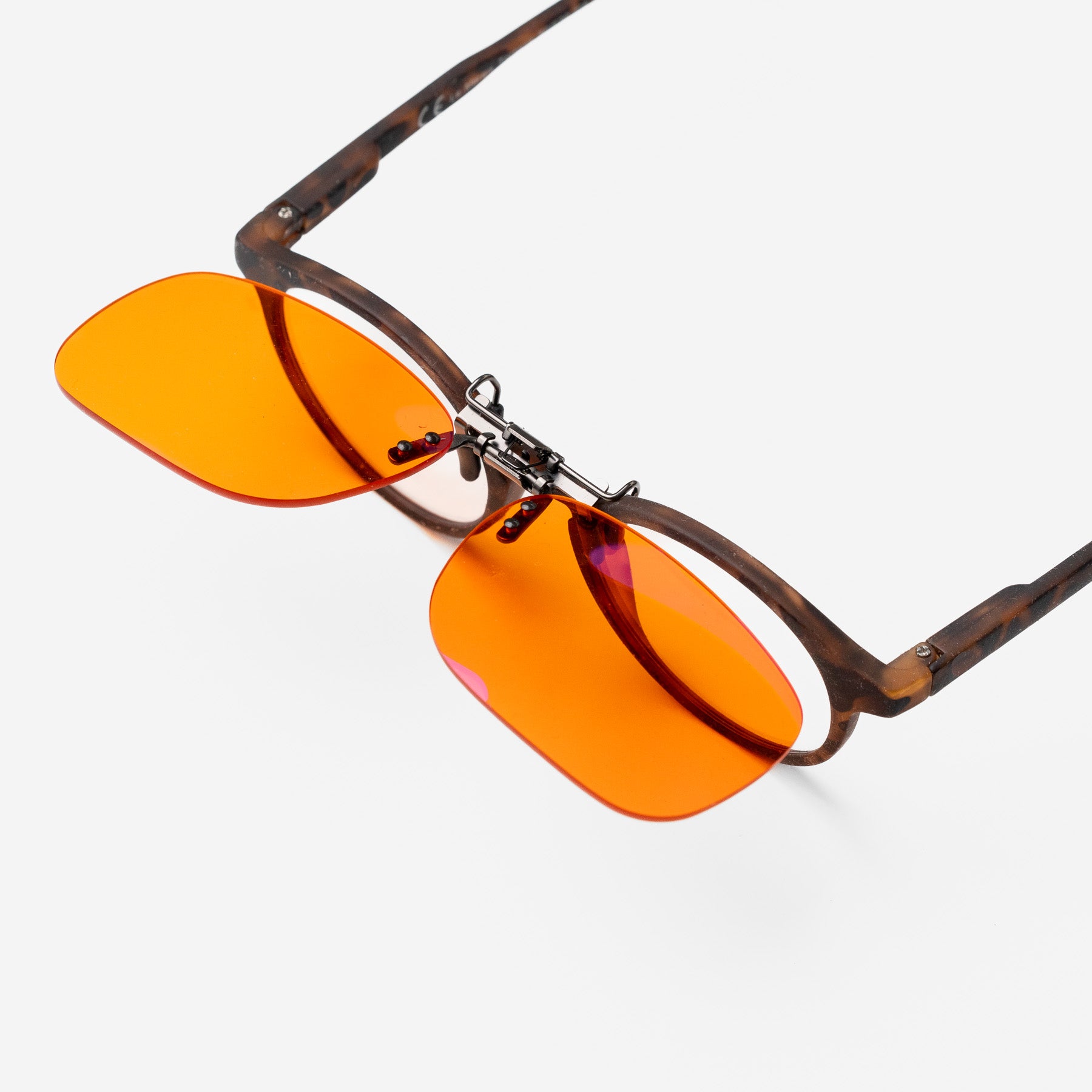
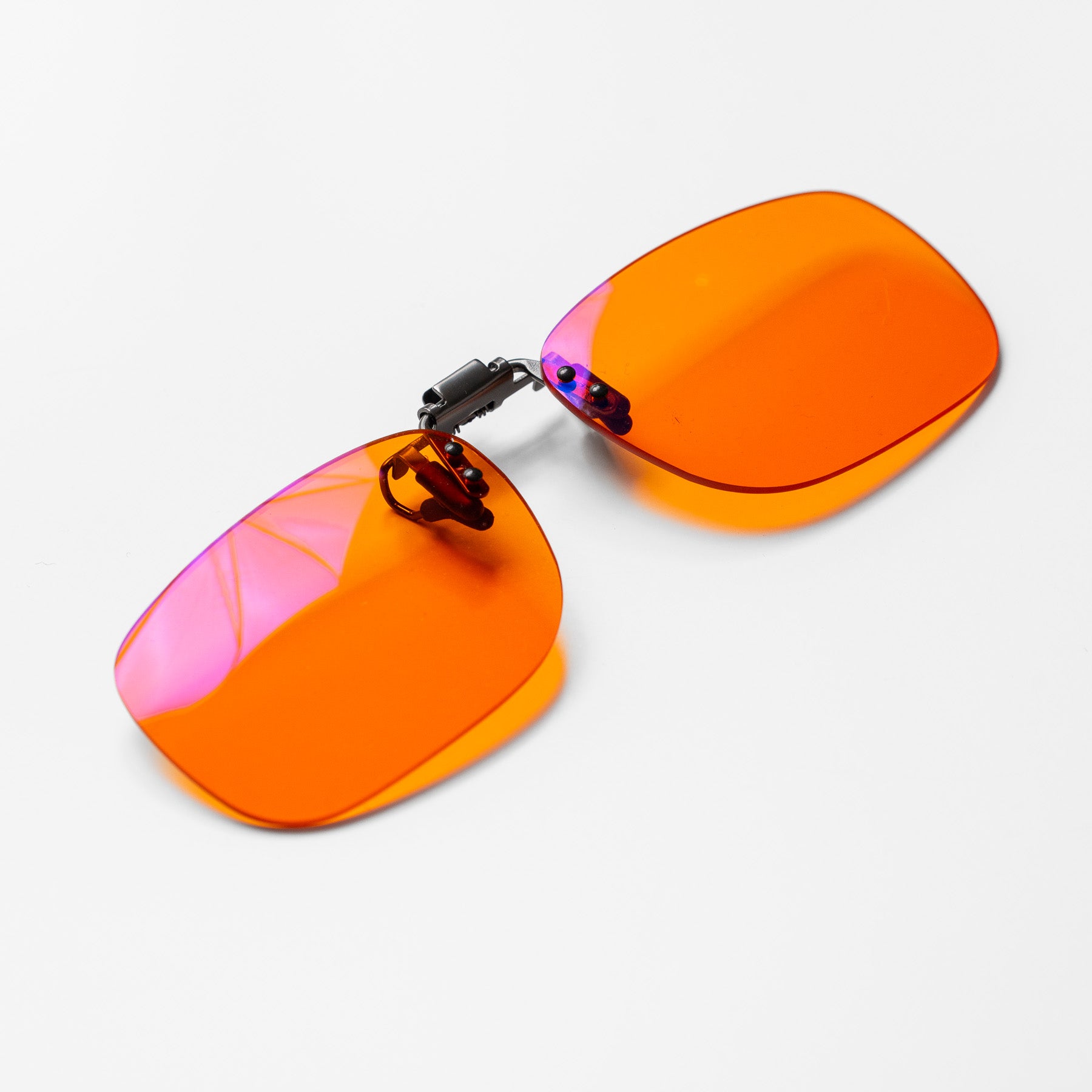
The best choice for evening use—on a grocery run, at a restaurant, or watching TV after dark. They reduce evening blue light in just the right proportion and help your body prepare for rest.

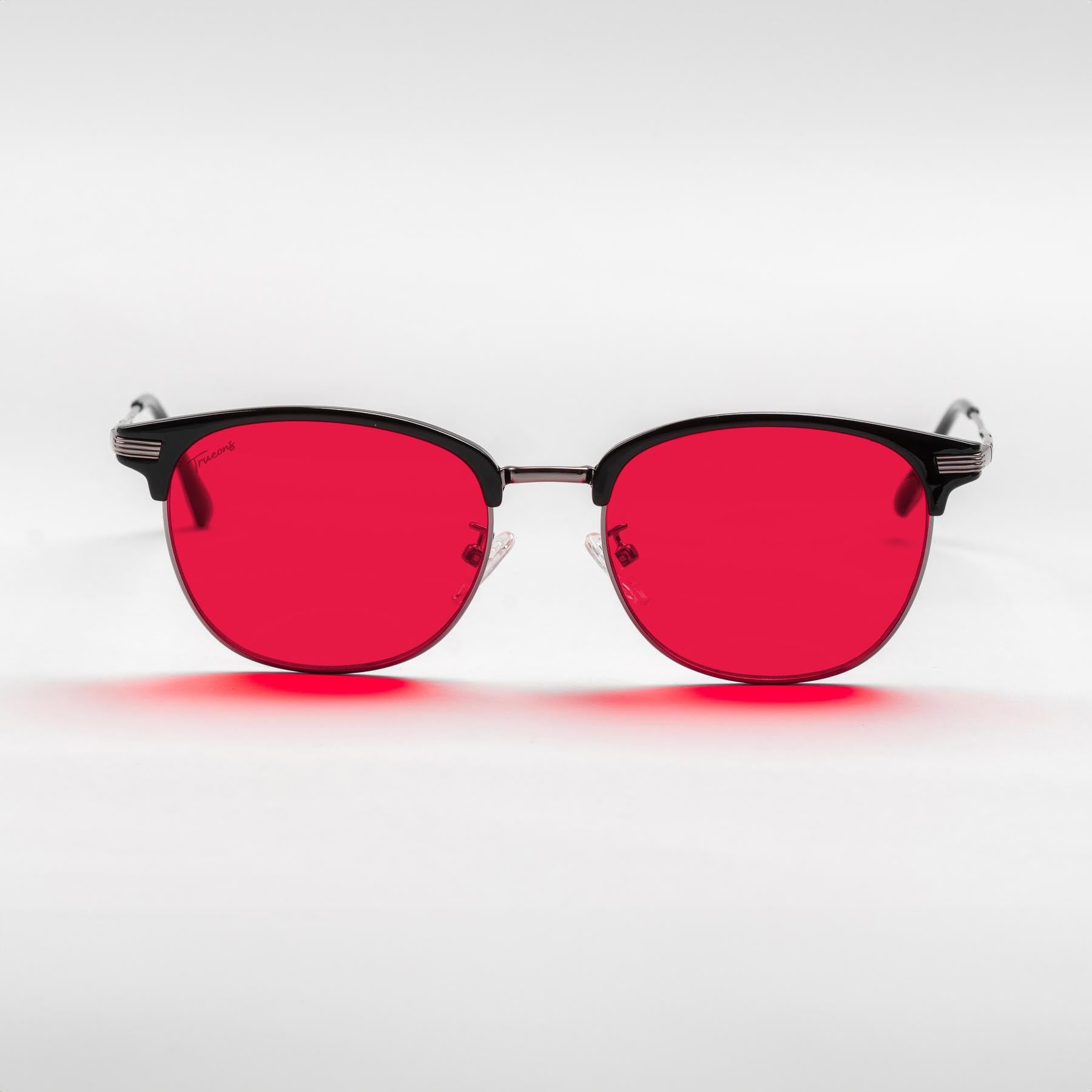
Red Lens - Night
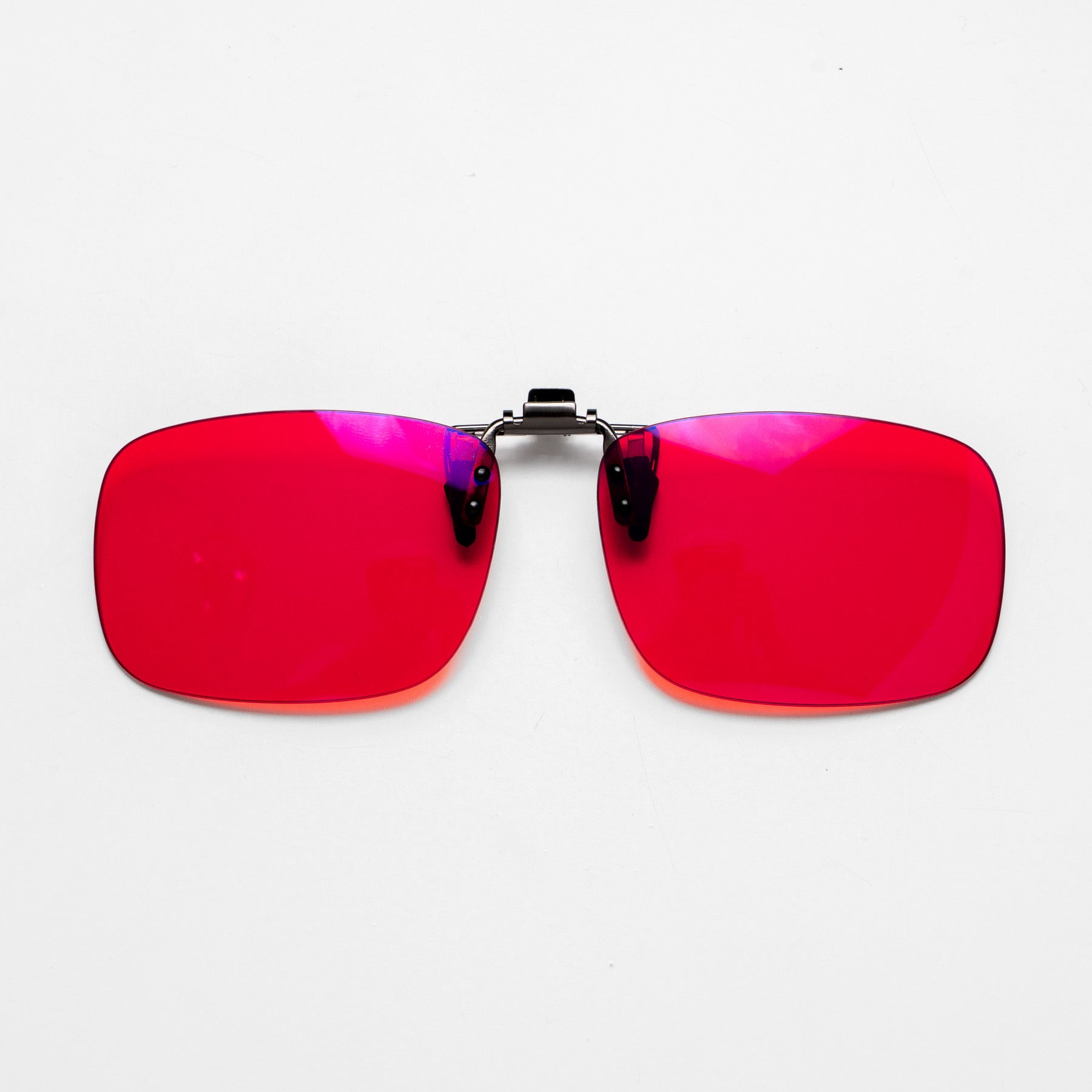
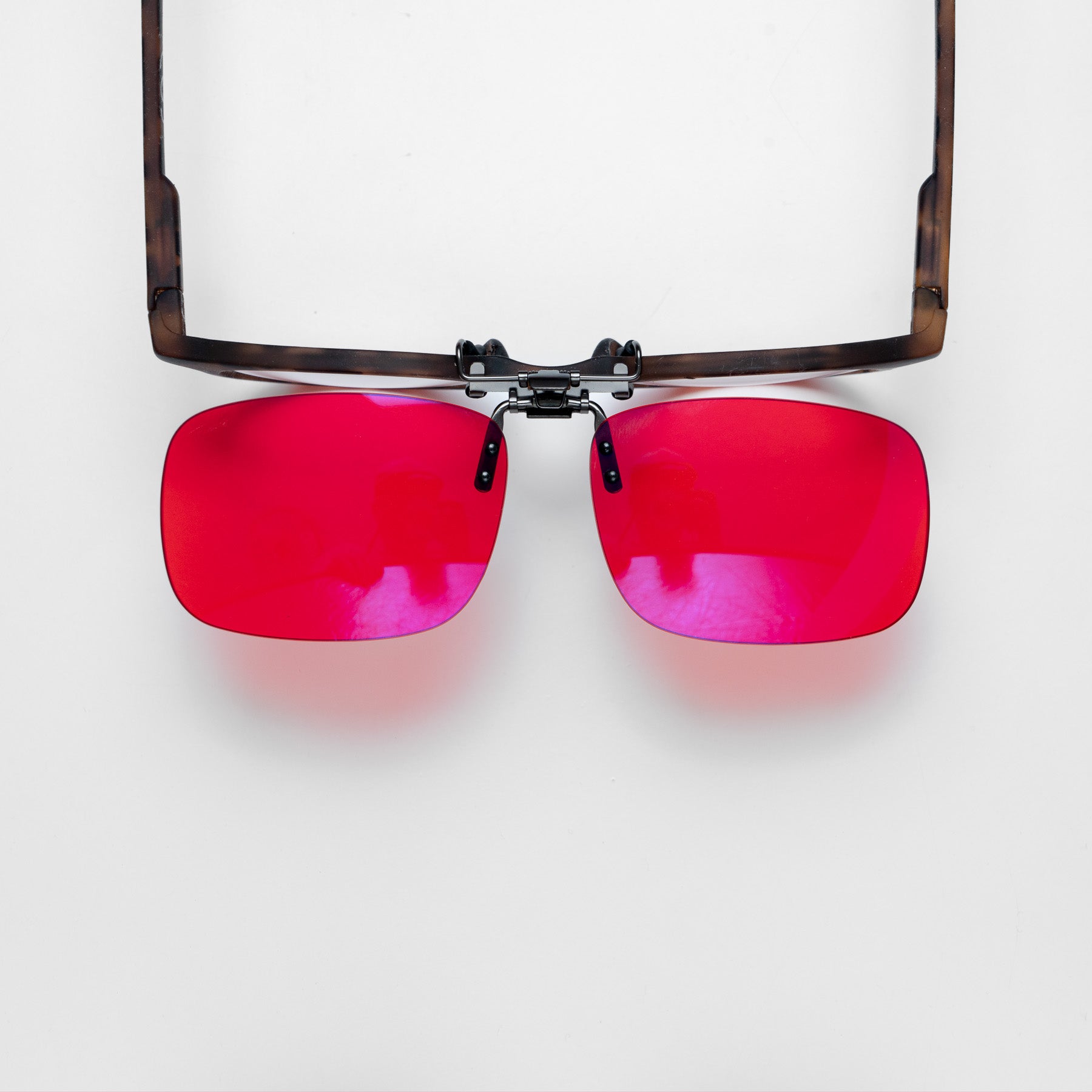
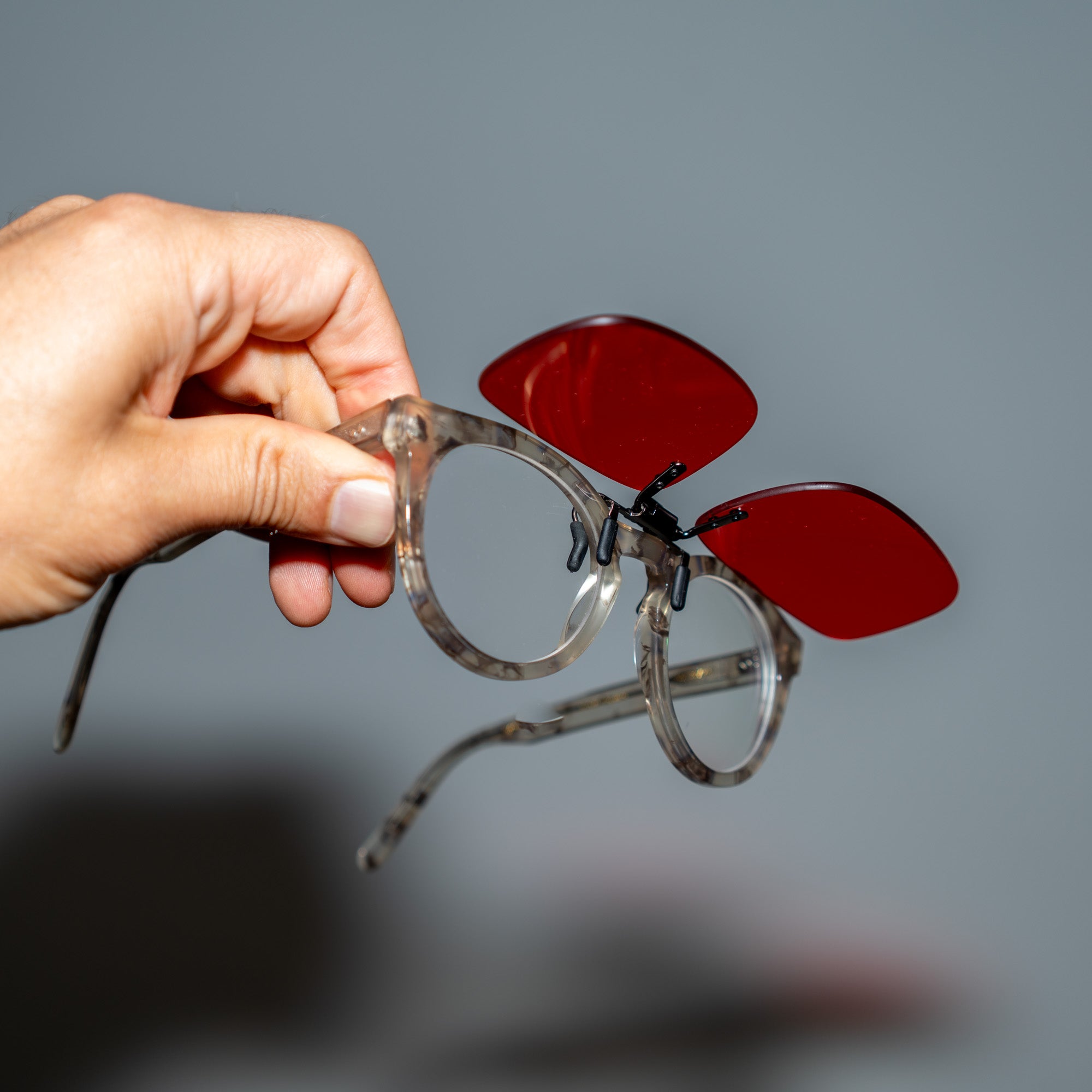
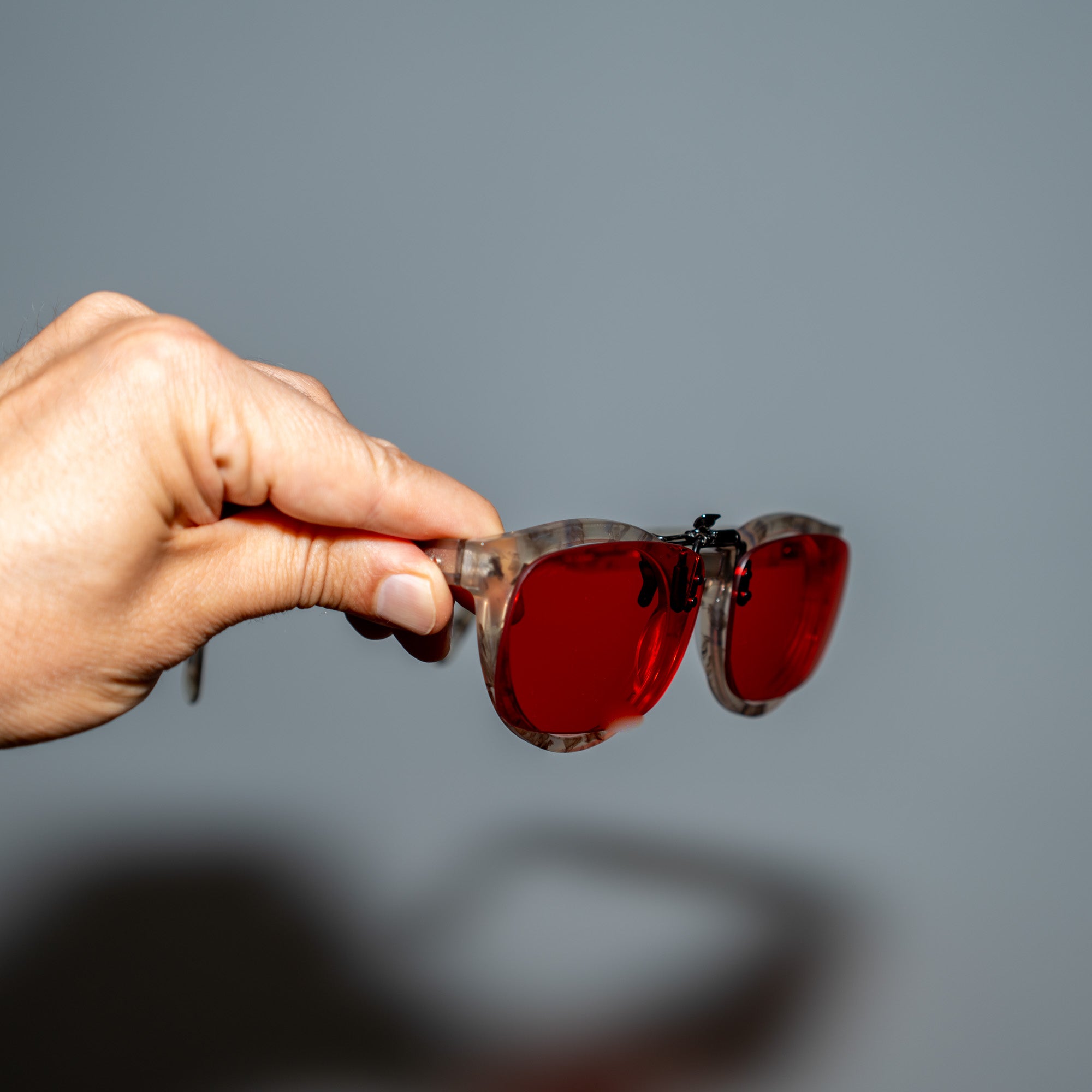
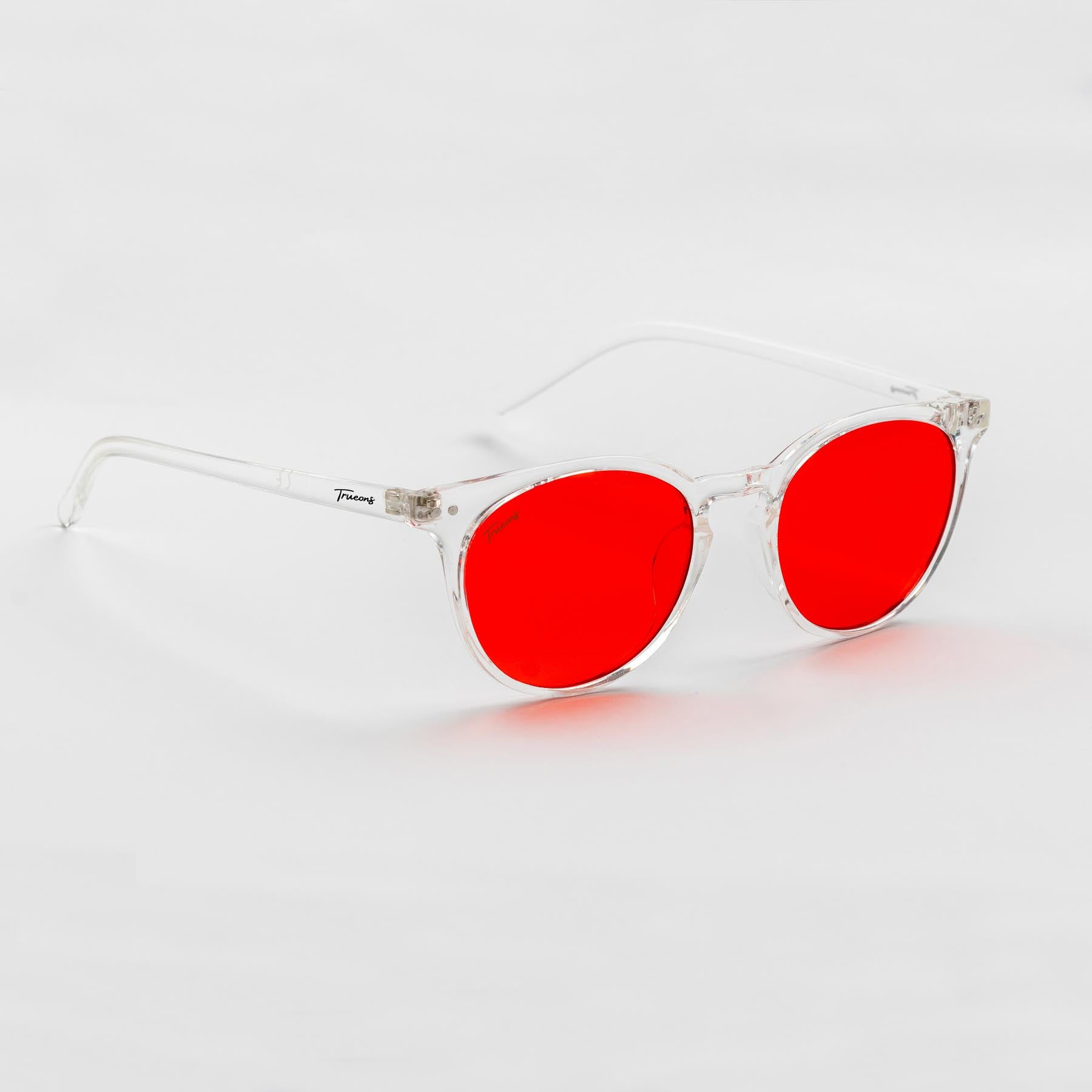
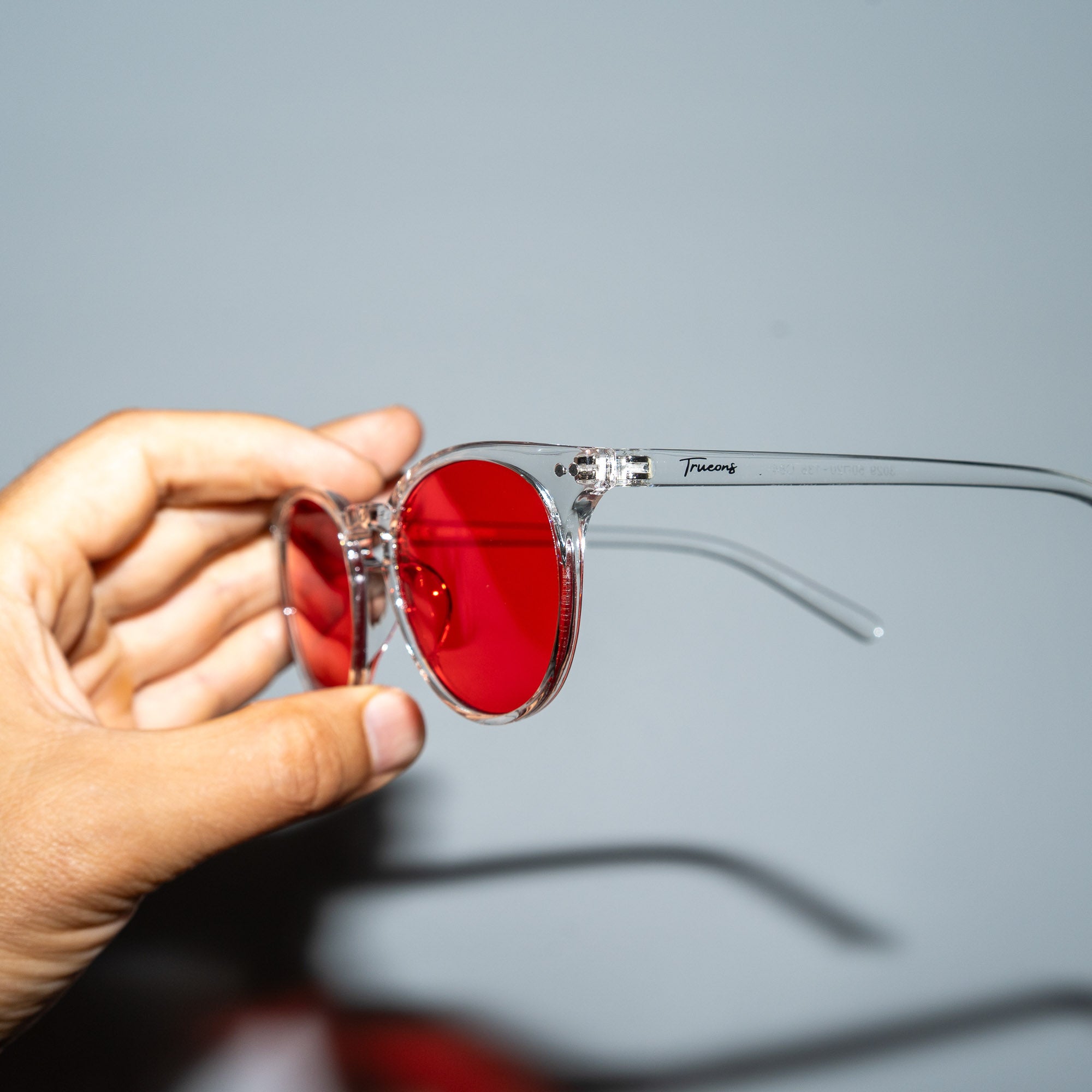
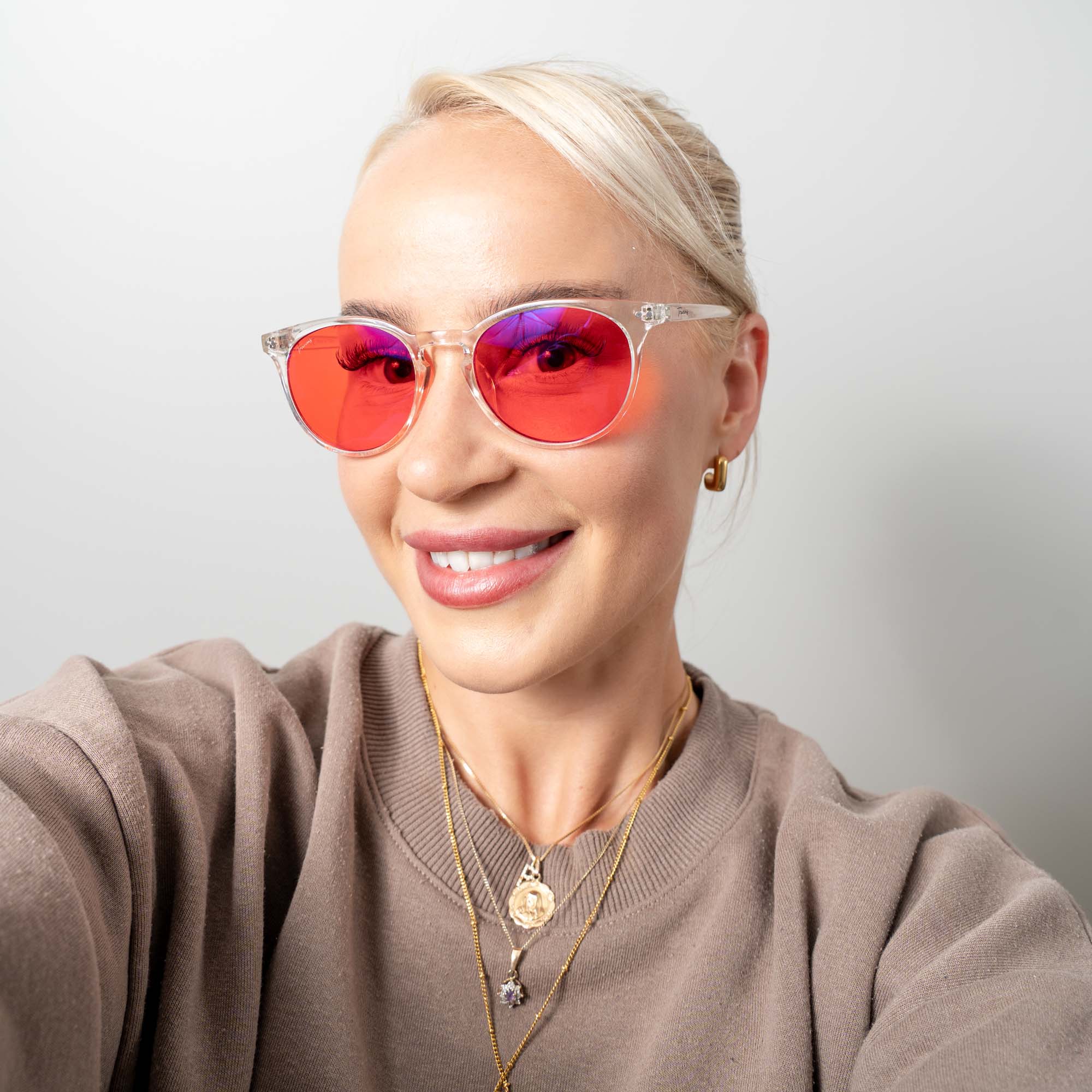
The most powerful blue-light blockers of all. Put them on about an hour before bed to support melatonin production and deep, restorative sleep. I swear by the way these glasses improve quality of life.
Shop Glasses

At Trueons, we carry these glasses (EVERY COLOR) religiously with us, because your circadian rhythm and light environment form the foundation of your health. When light is under control, sleep, hormones, and energy stay balanced—and your whole life benefits.